9 Ways to Cope With Stress for Mothers Returning to Work After Childbirth

Working after childbirth isn’t just a physical shift—it’s an emotional rollercoaster. Here are 9 powerful tips to help you manage stress, mom guilt, and expectations without losing yourself.
The stress experienced by mothers who have to start working after childbirth is something most moms can’t avoid—especially in Thai society, where maternity leave is often insufficient. Many mothers are forced to return to work before they’ve fully recovered, both physically and emotionally. They’re met with pressures from work, bosses, childcare, and household responsibilities. The guilt of leaving their baby with a nanny or at a nursery adds even more to the burden.
We want every mother to know: you are not alone. The stress of working after childbirth can be managed if you have a plan, know how to take care of yourself, and are willing to ask for help. This article will help you understand the root causes of stress related to working after childbirth and offer 9 practical ways to cope with it—so that you can return home to your baby each day with a strong heart and a smiling face.

Why Do Mothers Feel Stressed When Returning to Work After Childbirth?
Returning to work after childbirth is a major role transition. From being with their baby all day, mothers suddenly have to leave home and face expectations from both work and family.
- Lack of time: Mornings are rushed—pumping milk, preparing the baby for care, and arriving at work already exhausted. Evenings are spent rushing home to care for the baby and doing household chores, leaving no time for themselves.
- Workplace expectations: Many mothers fear their boss or colleagues expect them to perform just as they did before, even though their body and mind may not be ready.
- Attachment to the baby: The guilt of leaving their baby with a nanny or grandparents makes some mothers worry if their baby will become more attached to others than to them.
- Financial pressure: Many households need the mother to return to work early due to high expenses, causing the mother to bear both financial burdens and external expectations.
A 2023 survey by the Department of Labor Protection and Welfare found that over 70% of mothers felt stressed and anxious about returning to work, and over one-third cried at night due to this worry.
Understanding Postpartum Return to Work Syndrome
Psychologists use the term Postpartum Return to Work Syndrome to describe a specific type of stress faced by mothers returning to work after childbirth. It’s not the same as postpartum depression, but rather a unique pressure from juggling multiple roles at once.
Common symptoms include:
- Mom guilt: Feeling guilty for leaving their baby and fearing the baby will bond more with someone else.
- Work-related stress: Fearing they won’t perform as well or that others will perceive them as less committed.
- Chronic exhaustion: With no real rest, both body and mind feel worn down.
- Worry about breastfeeding: Concerned about how to pump milk at the office or how to store it properly.
- Changing relationships: Sometimes partners, colleagues, or family members fail to understand what the mother is going through.
Research from Harvard Business Review (2022) revealed that 1 in 3 mothers considered quitting within the first year back at work due to unmanageable stress. Journal of Occupational Health Psychology (2021) reported that over 60% of mothers who returned to work within three months postpartum experienced stress or burnout.
Being aware of this condition helps mothers understand themselves better and prevents self-blame for feeling sensitive or crying easily—because millions of other mothers around the world are going through the same thing.
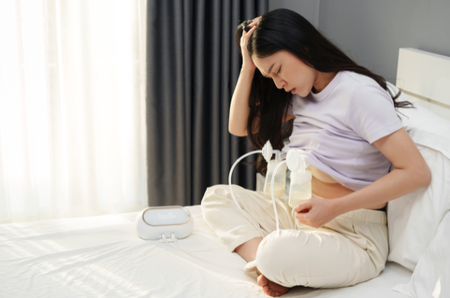
9 Ways to Cope with Stress for Mothers Returning to Work After Childbirth
1. Prepare Yourself Before Returning to Work
Stress decreases significantly when mothers feel they can “have control over something.”
- Plan breastfeeding: Pump and store breast milk in advance, prepare a cooler bag, and talk to HR or your supervisor about a lactation room.
- Nourish your body: Eat nutritious foods to ensure your body gets what it needs. For example, almond milk is a good supplement for breastfeeding mothers—beneficial for both mom and baby.
- Arrange childcare: Find a nanny, grandparents, or a nursery, and help your baby get used to them before your first day back.
- Practice your new routine: Try simulating a workday 1–2 weeks in advance to avoid being overwhelmed on your actual return.
- Work-related planning: Discuss unfinished tasks, schedule adjustments, or the possibility of working from home on some days with your boss and team.
2. Recognize Your Own Stress Signals
Many moms think, “I’m just tired, it’ll pass,” but unmanaged stress can escalate.
- Physical signs: Headaches, migraines, insomnia
- Emotional signs: Irritability, frequent sadness
- Mental signs: Burnout, desire to isolate oneself
Simple technique: Keep a mood journal—rate your stress daily (e.g., today 2/5, tomorrow 4/5). If high levels persist for over a week, take action to manage it.
3. Adjust Expectations—for Yourself and Others
What stresses mothers out the most is the belief that they must do everything perfectly.
- Relieve self-pressure: Accept that some days the house won’t be spotless—but your child’s smile matters more.
- Communicate with your family: Clearly express what you need, like asking your partner to wash bottles every night.
- Talk to your workplace: For example, request 15 minutes twice a day to pump milk or to leave work on time regularly.
4. Practice Daily Emotional Self-Care
When your heart breaks, everything else can fall apart. Caring for your emotional well-being is just as important as caring for your baby.
- Mindfulness: Take one deep breath for a minute every morning before starting work.
- Gratitude journal: Write down 3 good things that happened each day.
- Micro-breaks: Get up for water or stretch every 1–2 hours.
Just 1–2 minutes a day can help calm your mind and keep you grounded.

5. Balance Work and Parenting Without Letting Either Fall Apart
Balance doesn’t mean “doing everything equally”—it means making life work in both areas.
- Schedule your time: For example, play with your child for 20 minutes in the morning, and always read them a bedtime story.
- Make it quality time: Even if you only have 30 minutes, give your full attention—no distractions, no phone.
6. Find Support
Mothers shouldn’t go through this alone.
- Partner: Clearly express your needs, like “Can you hold the baby tonight?”
- Family and friends: Don’t hesitate to ask for help—or even just a call to ease your loneliness.
- Online mom groups: Share your experiences with others who truly understand.
7. Communicate with Your Workplace
Don’t be afraid to speak up—your boss won’t know unless you tell them.
- Request flexibility: For example, time off for your child’s doctor appointments.
- Offer solutions: Such as working from home on certain days while still meeting deadlines.

8. Reward Yourself Sometimes
Many mothers give their all to their children and forget about themselves. Small rewards can help recharge your emotional energy.
- Buy your favorite coffee every Friday
- Read a book or watch a series you love after the baby falls asleep
- Plan a lunch date with a close friend once a month
9. Know When to Seek Help from Professionals
If you find yourself crying every day, unable to get out of bed, or feeling hopeless—it’s time to reach out.
- Call the mental health hotline: 1323
- Consult a psychologist or psychiatrist who specializes in postpartum care
- Visit a hospital with a postpartum mental health clinic
Stress from working after childbirth can feel exhausting and overwhelming. But what’s most important is this: you don’t have to go through it alone. Remind yourself often—you don’t have to excel at everything or be perfect every day. Just take care of yourself, and remember that working after childbirth doesn’t mean sacrificing your well-being. Come home to your baby with a smile—that alone is the greatest gift your child can receive.
Originally published on theAsianparent Thailand