Newborn baby skin is naturally smooth, soft, and clean, but proper baby skin care is crucial because many parents don’t realize their little one’s skin is still immature and not yet strong enough to fully function as a protective barrier. In fact, consistent baby skin care is needed since the skin barrier only reaches full maturity after one year, making it vulnerable to dryness, bacteria, chemicals, and weather changes.
Why Is a Baby’s Skin Barrier So Important?
The skin barrier, or protective layer of the skin, is the outermost layer that functions like a shield. It prevents dirt, germs, chemicals, and allergens from entering, while at the same time locking in moisture to keep the skin hydrated.

The main functions of a baby’s skin barrier are:
- Protecting the skin from pollution and infections
- Maintaining the skin’s natural moisture to prevent dryness
- Supporting the skin’s natural immune system
When a baby’s skin barrier is healthy and mature, the risk of irritation, rashes, eczema, or peeling is significantly reduced. Therefore, it’s very important to support the skin’s maturation process from the beginning.
8 Ways to Help Your Baby’s Skin Reach Full Maturity
Here are 8 essential tips to support your baby’s skin development so it becomes naturally strong, healthy, and mature:
1. Bathe Your Baby with Lukewarm Water & Gentle Cleanser
One of the best ways to help your baby’s skin reach full maturity is by bathing them with lukewarm water and a gentle cleanser.
Bath time is a daily routine that should be done with care. Use lukewarm—not hot—water, and limit bath time to 5–10 minutes to avoid drying out the skin. Choose baby soap or body wash that is free from harsh chemicals such as SLS, parabens, or alcohol.
Tip: Choose cleansers specially formulated for sensitive baby skin with labels such as “hypoallergenic” and “dermatologically tested.”
2. Keep Your Baby’s Skin Moisturized
After bathing, your baby’s skin easily loses moisture. Applying a suitable baby moisturizer immediately after a bath helps lock in hydration.
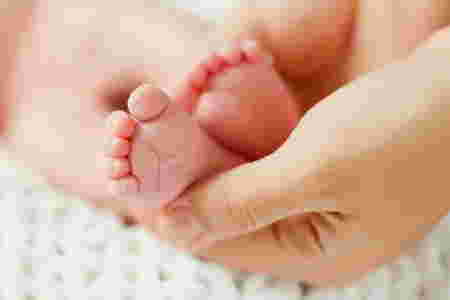
Use products with ingredients such as shea butter, ceramides, or sunflower seed oil, which are proven to help strengthen the skin barrier.
3. Protect Your Baby’s Skin from Heat
A baby’s skin is very sensitive to both hot and cold temperatures. Avoid direct exposure to the sun or strong winds. In hot weather, make sure your baby stays cool and hydrated.
In cold weather, dress your baby in appropriate clothing and apply protective cream to prevent the skin from drying or peeling.
4. Avoid Excess Chemicals & Fragrances
Choose baby care products that are free from artificial fragrances, alcohol, and harsh chemicals that can disrupt the skin’s natural balance. Some babies are highly sensitive, and these substances may trigger allergies or rashes.
5. Dress in Soft & Comfortable Clothing
Opt for organic cotton or other soft materials that won’t irritate your baby’s skin. Avoid synthetic fabrics that trap heat and can cause heat rashes. Wash baby clothes with special baby detergent that is fragrance-free and dye-free.
6. Change Diapers Frequently & Use Diaper Rash Cream
The skin around the diaper area is highly prone to damage from moisture and friction. Change diapers frequently and use a protective cream such as zinc oxide to prevent painful diaper rashes.
7. Maintain a Healthy Diet While Breastfeeding
If you are breastfeeding, your diet directly impacts your baby’s skin health. Eat antioxidant-rich foods like fruits, leafy greens, and omega-3-rich foods to support your baby’s immune system and skin health from within.
8. Use Baby Face Cream for Extra Protection
A baby’s facial skin is one of the most sensitive areas and the most exposed to external factors. Using a suitable baby face cream can help provide an extra protective layer.
Risks If a Baby’s Skin Is Not Properly Cared For
A baby’s skin is not just a covering for the body—it is the first line of defense against bacteria, allergens, and pollution from the outside world.
If not properly cared for from the beginning, it can lead to temporary rashes or redness, and in the long term, it may affect your child’s overall health and quality of life.
Here are some of the risks if parents neglect baby skin care:
1. Baby’s Skin Becomes Susceptible to Bacterial & Fungal Infections
When the skin barrier is damaged, a baby’s skin becomes an “open door” to germs. Small cuts, rashes, or chafed areas can become breeding grounds for bacteria such as Staphylococcus aureus, which may cause serious skin infections like impetigo or cellulitis.
2. Increased Risk of Developing Chronic Eczema


 Money Tips
 Building a BakuNation
 Becoming a Parent
 Ages & Stages
 Parenting
 Health & Wellness
 Education
 Lifestyle Section
 Become a VIP
 Press Room
 Shopping
 Rewards
 VIP Parents
