Did you know? Understanding the benefits of crying reveals that telling your child not to cry might do more harm than good. Phrases like “Don’t cry,” “It’s okay,” or even “Good kids don’t cry” are often said with love and good intentions, hoping to comfort them and stop their sadness. But have you ever stopped to think that these words might actually hurt their emotional development in the long run — and could even leave emotional wounds that are hard to heal?
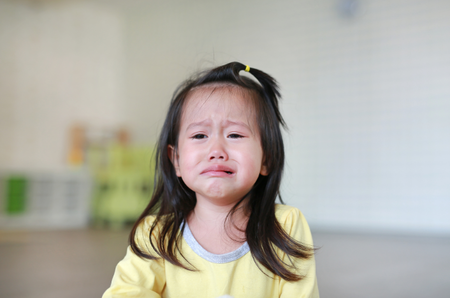
3 Big Reasons Why You Shouldn’t Stop Your Child from Crying
Because stopping their tears might hurt more than you think — here’s why letting them cry matters.
1. Crying is the first language we all speak — don’t shut it down.
From the moment they’re born, crying is how babies communicate. They don’t have the words yet to say they’re hungry, uncomfortable, scared, in pain, or overwhelmed — so they cry. It’s their way of saying, “Hey, I need something.” As they grow, crying remains one of the main ways they process and express big emotions like frustration, sadness, anger, or even jealousy. Telling a child to stop crying is like shutting a door on someone who’s trying to tell you the most important story of their life. It sends the message: “Your feelings don’t matter,” and that can really hurt.
2. It can mess with how kids understand emotions.
If a child constantly hears that crying is wrong or shameful — things like “Don’t cry,” “Be strong,” or “Crying is for babies” — they’ll start to believe that showing feelings is bad. They’ll learn to bottle things up and hide how they really feel. Over time, this can seriously affect how they deal with emotions. They might grow into adults who can’t quite figure out what they’re feeling, struggle to express themselves, or have a hard time connecting with others emotionally. This emotional shutdown can also lead to anxiety, depression, or even outbursts when bottled-up feelings finally explode.
3. Letting them cry helps build strong emotional intelligence (EQ).
Letting your child cry — while staying present, calm, and comforting — is actually a golden opportunity. It teaches them that emotions are okay, and that they can be felt, understood, and worked through. Instead of shutting down the tears, try saying things like, “You seem really sad right now,” or “It’s okay to be upset.” This helps kids name their feelings and learn how to handle them in healthy ways. Supporting them through their emotions builds emotional resilience and strengthens their EQ — which is key to long-term happiness, good relationships, and the ability to bounce back from life’s tough moments.
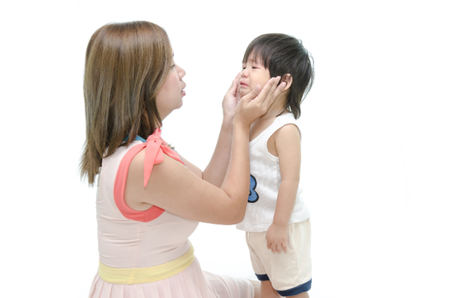
The Benefits of Crying: A Natural Healing Mechanism Backed by Science
Crying isn’t just about showing emotion — it’s a powerful biological process that does wonders for both the body and the mind. Here’s why crying is actually good for you:
1. Benefits of crying: It releases emotional toxins and reduces stress.
Researchers have found that emotional tears are chemically different from the ones you get when something irritates your eyes. Tears from strong emotions often contain stress hormones like cortisol, along with other toxins that build up in your system when you’re overwhelmed. So when you cry, you’re not just letting emotions out — your body is literally flushing out stress. That’s why people often feel lighter and calmer after a good cry.
2. It activates the parasympathetic nervous system — your body’s chill mode.
Ever notice how deep breaths or sighs usually follow intense crying? That’s your body kicking in its relaxation response. Crying can help activate the parasympathetic nervous system (PNS), which slows your heart rate, lowers blood pressure, and brings your body into a calm, “rest and digest” state. It’s like your body’s natural way of hitting the reset button after being in a high-stress mode.
3. Benefits of crying: It eases pain and helps regulate emotions.
Long, sobby cries — the kind that come with hiccups and heavy breathing — can trigger the release of feel-good brain chemicals like oxytocin and endorphins. These natural mood boosters not only help soothe emotional pain, but they also reduce physical discomfort too. After crying, these chemicals help you feel more grounded, less tense, and better equipped to handle whatever comes next.
Bottom line: Crying is a built-in self-care system. It helps you let go, relax, reset, and feel again. So whether it’s your child or yourself — don’t hold back the tears. They’re doing important work.
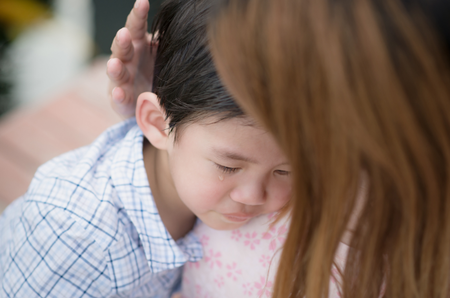
From Suppression to Support: The First Step Toward a Lasting Bond
Instead of telling your child not to cry, try shifting your mindset and approach toward understanding and accepting their emotions when they cry.
1. Gentle Hugs and Soothing
Offer a sense of safety, love, and assurance that you’re always by their side. Warm physical touch is one of the most effective ways to comfort their heart.
2. Attentive Listening
When a parent listens with genuine attention and seeks to understand what the child is trying to communicate through tears, facial expressions, or body language, it helps the child feel seen and truly understood.
3. Space and Time
Allow your child to fully express their emotions. Don’t rush them to stop crying. Instead, provide a safe space where they can release their bottled-up feelings freely.
4. Explanation and Emotional Clarity
Once your child is old enough to understand, talk openly about the emotions they’re feeling. For example, “Mom knows you’re sad because your doll broke,” or “Dad understands you’re upset because your friend took your toy.” Then help them find ways to manage those feelings—like hugging, deep breathing, or asking for help.
Allowing your child to cry doesn’t mean letting them cry without boundaries or care. It means giving them the opportunity to learn and manage their complex emotions in a safe and understanding environment. This nurtures their growth into emotionally resilient and mentally healthy adults who can handle life’s challenges effectively.
Accepting your child’s tears is not a weakness—it’s the bridge to a strong and enduring connection.
Originally published on theAsianparent Thailand


 Money Tips
 Building a BakuNation
 Becoming a Parent
 Ages & Stages
 Parenting
 Health & Wellness
 Education
 Lifestyle Section
 Become a VIP
 Press Room
 TAP Recommends
 Community
 Rewards
 VIP Parents
