In today’s world, war is no longer a distant concept confined to history books or faraway lands. Whether it’s from scrolling social media, overhearing adult conversations, or watching the news, children are increasingly exposed to violent conflict—and they have questions. This is why it’s more important than ever to understand how to talk to kids about war in ways that are age-appropriate, honest, and nurturing.
Using the recent Thai–Cambodian border conflict as a starting point, this guide offers parents a gentle approach on how to talk to kids about war without overwhelming them. It also provides practical ways to turn fear and confusion into valuable life lessons on peace, empathy, and nonviolence.
If you’re wondering how to talk to kids about war without causing distress, this article equips you with the tools to create safe conversations that help your child make sense of the world—and believe in a more peaceful one.
When War No Longer Feels Far Away
Whether it’s on TV, a phone screen, or in adult conversations at home, words like “border,” “clash,” or “military force” can unexpectedly reach children’s ears. They might stay quiet and internalize their anxiety—or they might ask directly, “Mom, why are people fighting?”
Talking to your child about war may seem daunting, but the truth is, if we choose silence, kids may fill in the gaps with rumors or TikTok clips that could scare them even more. This article invites parents to use the Thai–Cambodian border conflict as a conversation starter, turning worry into a powerful life lesson on peace and our shared humanity.
Why Talk to Your Child About War?
Child psychologist Dr. Jamie Howard of the Child Mind Institute explains, “Letting children fill in the blanks from the news can increase fear, because a child’s imagination has no limits.” Without proper explanation, a child may assume, “This could happen to our family,” at any moment.
Albert Bandura’s Social Learning Theory also tells us children learn by observing their parents. If we talk about war with fear or anger, they absorb that emotion. But if we speak calmly, rationally, and with steady presence, they’ll feel safer.
In short, talking to your child about war isn’t just about reducing fear—it’s about teaching them how to face difficult moments with a steady heart.

How to Talk to Kids About War: 5 Practical Steps for Parents
1. Ask What Your Child Knows and How They Feel
Begin with simple questions like, “Where did you hear about the war?” or “How do you feel when you see the news?” This helps you understand your child’s current perception, fears, and questions. Be sure to listen attentively when they respond.
2. Use Age-Appropriate Language
Young children don’t need to hear terms like “border conflict” or “invasion.” A simple explanation such as “Some people aren’t listening to each other and are fighting because of that” is enough.
3. Validate Their Fears
Avoid saying things like “Don’t be scared, it’s nothing.” Instead, try, “I understand that you’re scared. It’s okay—many people feel that way.” Acknowledging their emotions helps children see that it’s normal to feel afraid.
4. Share Only What’s Necessary—Avoid Graphic Details
There’s no need to play gunfire clips or describe violent scenes in detail. Over-explaining can cause unnecessary fear. Stick to the facts your child can process.
5. Reassure Them of Their Safety
Clearly let your child know, “We’re safe here at home.” If you have an emergency plan or contact numbers, explain them calmly, so they understand the family is prepared—e.g., “If anything dangerous happens, Mom and Dad will take you somewhere safe right away.”
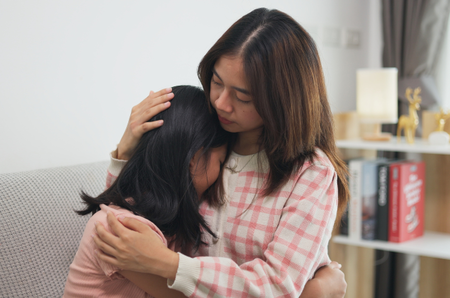
How To Talk To Kids About War: What Can We Teach Our Children from This Event?
Teach Peace
Though war and conflict may seem frightening, they can become real-life lessons. Parents can explain that talking, listening, and finding peaceful solutions through dialogue are far better than using weapons or force. Use relatable examples—like how siblings stop fighting when they talk it out—to show that “peaceful resolution” works both at home and in the wider world.
Teach Humanity and Empathy
Even in war, there are rules forbidding harm to civilians—like children, the sick, or innocent people. This is a great opportunity to teach children the value of kindness and helping others, regardless of which side they’re on.
You can broaden their perspective by saying, “There are children in Cambodia who are scared too, and parents who are just as worried.” This helps kids understand that pain exists on both sides. Teaching empathy in this way helps them grow into people who don’t judge quickly and who can connect with others, even across borders and languages.
Teach Critical Thinking
In a world where information spreads faster than gunfire, it’s crucial for kids to consume media wisely. Teach them not to believe everything they see online. Prompt them with questions like, “Who posted this? Where did the photo come from? Is it trustworthy?”
This encourages them to distinguish between real news, rumors, and fake information—an essential skill not just during war, but for everyday life online.
Teach Emotional Self-Care
War news can trigger stress or fear in children, even if they don’t say it outright. Parents can teach simple ways to manage anxiety—like deep breathing and counting to five when they feel scared, or reassuring them, “If you’re scared, you can always talk to us.”
Helping kids understand that fear is manageable—and that expressing emotions isn’t shameful—builds emotional resilience for when life gets tough.
These four lessons may start with a short conversation at home, but their impact can last a lifetime. Because in doing so, we are raising children who believe in peace, care for others, think critically, and know how to care for their inner world.
|
|---|
How to Talk to Children About War in an Age-Appropriate Way
|
| Ages 3–6 |
- Use dolls, toys, or pictures to help explain, such as “These two didn’t want to play together, so they fought, but in the end, they made up.”
- Strictly avoid violent news images.
|
| Elementary Age (7–12 years) |
- Start explaining what conflict is and why people need to try to find solutions.
- Let your child ask freely, and respond with straightforward explanations that aren’t too alarming.
|
| Teenagers (13 years and up) |
- Create a space for equal conversation, as teenagers have their own opinions and may ask questions about “justice” or “human rights.”
- Encourage them to write in a journal, draw, or share their feelings instead of keeping stress to themselves.
|
Things to Avoid
- Don’t use generalizing statements like “Cambodians are bad,” as this plants the seed of prejudice in your child from a young age.
- Don’t force your child to watch violent news, such as footage of gunfights or injured and deceased people.
- Don’t show excessive fear in front of your child—children absorb those emotions and may start to feel, “If Mom’s scared, are we really safe?”
Sample Phrases Parents Can Use When Talking About War
- “I understand that you might be scared. It’s something anyone can feel.”
This reassures the child that fear is normal and that their feelings are accepted.
- “Right now, two groups are trying to talk things through to make things better.”
This sends a powerful message that every conflict can have a resolution and that there is still hope.
- “If you have questions or hear something you don’t understand, you can always ask me.”
This opens the door for honest dialogue and reassures the child they don’t have to carry their worries alone.
- “Our home is safe, and we’ll let you know the important news you need to hear.”
This helps the child feel secure, knowing their parents are there to guide and filter information appropriately.
Talking About War to Raise a Child Who Believes in Peace
Talking to children about war isn’t just about easing their fear—it’s about teaching them to see the world with understanding, to not judge quickly, and to believe that conflict can be resolved through dialogue rather than violence.
In the end, parents may not be able to stop wars, but what we can do is plant the seeds of peace in our children’s hearts—so they grow up to be compassionate individuals who believe that peace begins within.
Originally published on theAsianparent Thailand


 Money Tips
 Building a BakuNation
 Becoming a Parent
 Ages & Stages
 Parenting
 Health & Wellness
 Education
 Lifestyle Section
 Become a VIP
 Press Room
 Shopping
 Community
 Rewards
 VIP Parents
