“My child doesn’t really play with other kids and prefers to play alone. Should I take them to see a psychiatrist?” This is a concern many parents have—especially when they compare their child to others who are sociable and outgoing. But if you’re noticing signs that your child might be an introverted child—quiet, reserved, and more comfortable playing alone or choosing calm activities over group play—there’s often no need to worry.
If you feel this way, here’s some reassurance: playing alone is not strange. Some children are naturally introverts—they recharge by spending time alone, dislike chaos, prefer thinking before speaking, and have a rich inner world. None of this is a developmental problem; it’s simply a personality type—with many strengths when properly understood and supported.
Introverted vs. Extroverted Children: What’s the Difference?
There’s no personality type that is “better” or “worse.” Introversion and extroversion are simply different ways of sourcing emotional energy.
- Extroverted child tend to feel energized by being around lots of people and love exciting, stimulating activities.
- Introverted child can feel drained in large social settings and need alone time to recharge.
Susan Cain, author and popular TED speaker of “The Power of Introverts,” explains that introverts aren’t necessarily shy or afraid to express themselves. They just take more time to think, reflect, and speak when ready—often making their words more thoughtful and impactful.
What “Playing Alone” Says About a Child’s Development
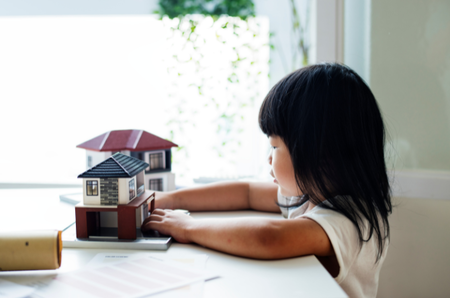
A child who enjoys playing alone doesn’t necessarily lack friends or struggle with social interaction. Solitary play is one of the normal developmental stages—especially around the ages of 2–3—when a child begins developing more complex thoughts and imagination. Playing alone can actually signal that they are learning to think independently, solve problems, and explore the world in their own unique way.
Introverted Children Are Not Repressed
It’s a common misconception that quiet children who don’t talk much or rarely join group activities are emotionally repressed or depressed. In reality, introverted children simply need personal space and feel more at ease in quiet environments. A child who doesn’t talk much isn’t lacking thoughts—these children often think deeply, speak mindfully, and have vivid inner worlds.
Many highly successful individuals—like Albert Einstein, Bill Gates, and Emma Watson—are introverts. They harness the power of silence to reflect and choose to speak only when they have something meaningful to say.
7 Signs Your Child Might Be an Introvert
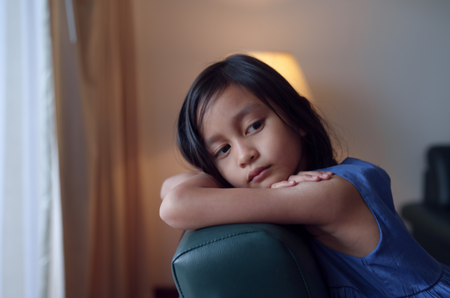
1. Enjoys playing alone for long periods without getting bored
Introverted children often have a rich inner world full of imagination. They can play with dolls, build LEGO sets, or color for hours without feeling lonely because these activities allow them to be with their own thoughts—something that relaxes and makes them happy.
2. Doesn’t like being rushed to answer questions or speak quickly
Introverted kids usually need time to think before they speak. If pressured to answer right away, they may feel stressed or give uncertain answers. Parents should give them space and time to think comfortably so they feel confident expressing themselves in their own way.
3. Highly independent and enjoys doing things alone
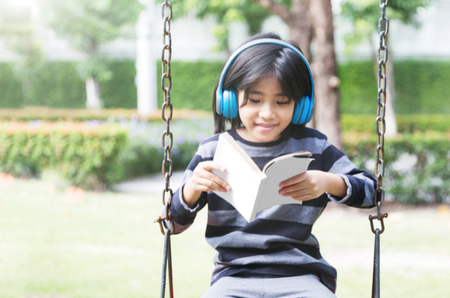
They may not enjoy activities with large crowds or loud noise, such as birthday parties or stage performances. Instead, they feel better doing art, playing quietly alone, or reading in a familiar, peaceful corner.
4. Avoids noisy or crowded environments
It’s not that introverted children are afraid of socializing, but they may feel exhausted or unsafe in loud or busy settings, such as parties, preschools, or playgrounds. If they need to join such events, it helps to provide them with a quiet retreat space.
5. Takes time to speak or only speaks when necessary
Introverted kids aren’t quiet because they have nothing to say. They choose to speak when they feel their words are necessary or meaningful. They may seem shy, but in reality, they’re deeply thoughtful about communication.
6. Has few close friends, but deep connections
Introverted children don’t need many friends. They tend to have just a few real ones—and those relationships are often deeply meaningful. They invest emotionally in long-term connections rather than having many shallow friendships.
7. Sensitive to others’ emotions and emotionally perceptive
Introverted kids are often very observant and can sense how others are feeling even without words. For example, they might know their mom is sad even if she doesn’t cry, or notice when a friend is uncomfortable. This emotional sensitivity often helps them grow into deeply empathetic adults.
Strengths of Being an Introverted Child That Parents Shouldn’t Overlook
Even if your child isn’t the loudest or most outgoing in a group, they often have incredible strengths, such as:
- Strong focus and ability to concentrate for long periods
- Thoughtful, cautious decision-making
- Creativity and vivid imagination
- Deep empathy and emotional understanding
- Independence from peer pressure or trends
How Can Parents Support an Introverted Child?
Parents play a vital role in creating a safe space where an introverted child can grow confidently—without feeling guilty for being “different.” Here are some things you can do:
- Respect their personal space
- Don’t rush them into social situations
- Allow your child to choose when and how to socialize
- Encourage small-group activities
- Teach positive communication skills
“My Child Doesn’t Play with Others”—Should I Be Worried?
If your child doesn’t play with others at all, observe whether they avoid all social interaction or simply choose to play alone sometimes. If your child communicates well with adults, enjoys solitary play, expresses emotions clearly, and occasionally interacts with others, there’s usually no cause for concern.
However, if your child shows signs of delayed development—such as avoiding eye contact, not speaking at all, not understanding simple instructions, or showing limited emotional expression—it’s best to consult a developmental specialist for further evaluation.
Frequently Asked Questions
Q: My child doesn’t talk to anyone. Is this a problem?
A: If your child doesn’t speak at all—not even to family members—it’s advisable to consult a pediatrician or developmental specialist to screen for possible speech or developmental delays. However, if your child chooses to speak only to familiar people, it may simply be a sign of introversion, which doesn’t require treatment—just understanding and support.
Q: My child refuses to attend a friend’s birthday party. Should I force them?
A: It’s not recommended to force them. Instead, look for ways to help them participate comfortably—like choosing a gift together or going with them and staying nearby. Forcing them might increase stress and resistance.
Q: Can introverted children succeed in a competitive world?
A: Absolutely. Introverted kids tend to be great listeners, deep thinkers, and highly creative. These strengths make them shine in many careers, such as writing, research, programming, or the arts.
Playing Alone Isn’t a Problem—not when we understand that the child is growing a rich and resilient inner world. Being an introvert is not a limitation; it’s a powerful personality trait. When parents truly understand, accept, and support this, their child can grow up confident, self-assured, and happy to thrive in the world—just as they are.


 Money Tips
 Building a BakuNation
 Becoming a Parent
 Ages & Stages
 Parenting
 Health & Wellness
 Education
 Lifestyle Section
 Become a VIP
 Press Room
 Shopping
 Community
 Rewards
