Is TikTok Safe for Kids? Should I Let My Child Use TikTok?
These are questions modern parents are asking more and more, as the platform has quickly become a part of many children’s daily lives. Even some kindergarten-aged kids have gone viral with their own clips. This article explores whether TikTok is safe for kids by guiding parents through its pros, cons, potential risks, recommended parental controls, and expert-backed advice on what age is appropriate for children to start using TikTok.
TikTok and the World of Children: What Makes This Platform So Appealing to Kids?
Behavior of Gen Alpha Kids
Children born from 2010 onward (Gen Alpha) are growing up surrounded by digital devices. Their interests often revolve around short videos, anime, and music—perfectly aligned with TikTok’s features, which are designed for quick scrolling and binge-worthy content.
Addictive Algorithm
TikTok uses AI to analyze children’s viewing behavior—such as when they like, rewatch, or finish a video—and then suggests videos that are “similar but even more entertaining.” This leads kids to spend hours on the app without even realizing it.
Popular Content Among Elementary School Kids
- Funny challenges like dance moves
- Cute pet videos
- DIY and simple cooking clips
- Educational content, such as learning English vocabulary
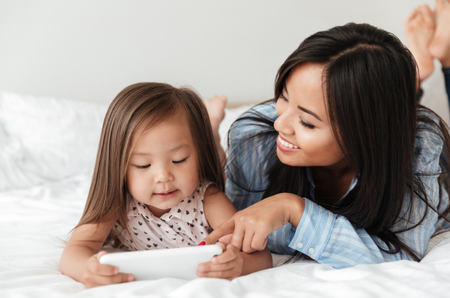
Should Parents Let Their Child Use TikTok?
Is TikTok safe for kids? It’s a question many parents are asking, especially as the platform continues to grow in popularity among children and teens. TikTok has both advantages and disadvantages, and it’s crucial for parents to provide guidance and closely supervise their children’s use of the platform.
Pros:
- Fosters creativity: Creating short video clips allows kids to practice video editing, add music, and compose visuals.
- Builds confidence: Shy children may become more comfortable in front of the camera and improve their communication skills.
- Learn new skills: Many TikTok clips teach simple cooking, crafts, or share engaging educational content.
When asking, “Is TikTok safe for kids?”, it’s important to consider not just the content, but how the platform can actually support positive development when used responsibly.
Cons:
- Exposure to inappropriate content: Despite TikTok’s filtering efforts, children can still come across unsuitable or mature clips.
- Screen addiction: TikTok’s algorithm can lead kids to spend excessive time on the app, often without realizing it.
- Comparison pressure: “Perfect-looking” videos may cause children to develop unrealistic expectations about themselves or their lives.
- Cyberbullying and spam: Kids may receive hurtful comments or unsolicited messages from strangers.
Parents wondering, “Is TikTok safe for kids?”, should be aware that even with monitoring, children can be affected by negative experiences that shape their self-esteem and digital behavior.
Hidden Risks:
- Dangerous challenges: Some viral trends involve risky stunts or inappropriate dance moves.
- Online grooming: Unsuspecting children may be targeted by malicious individuals posing as peers.
Ultimately, is TikTok safe for kids? It depends on how it’s used. With the right parental involvement and digital boundaries, TikTok can be a creative outlet—but without supervision, it can expose children to real risks.
That’s why when considering “Is TikTok safe for kids?”, the best approach is proactive parenting—balancing trust, education, and tech tools to ensure a safer digital experience.
Does TikTok Have a Kid-Friendly Mode?
TikTok Family Pairing:
Parents can link their account with their child’s account to control settings such as screen time, content filters, and direct messaging.
Restricted Mode:
An automatic content filter that adjusts based on age to reduce exposure to inappropriate videos.
Even with these features, children may still access gray-area content or bypass restrictions using VPNs. Parents should still supervise their child’s use, monitor screen time, and keep open conversations with them.
What Is the Appropriate Age for Children to Use TikTok?
Guidelines from Global Organizations:
- American Academy of Pediatrics (AAP): Recommends no screen time for children under 2 years old. For ages 6–12, screen time should be limited to no more than 2 hours per day.
- WHO (World Health Organization): Emphasizes balanced activity—screen time, sleep, and physical movement.
- UNICEF: Supports digital media use based on maturity and risk assessment.
Legal Minimum Age:
TikTok sets the minimum age at 13, but there is no strict age verification system in place.
Maturity Matters More Than Age:
It’s important for kids to have critical thinking skills, understand privacy, and distinguish between real and fake content before being allowed to use the platform.
Elementary School Kids and TikTok: Trends in Thailand
Usage Statistics:
- In 2024, more than 16.5 million Thais used TikTok each month.
- Research shows that Thai children aged 8–12 began using TikTok at an average starting age of 10.
Viral Cases:
- Some Thai kids gained fame for their dance clips, but also faced negative comments that had emotional impacts.
- There were cases of personal data leaks through comments or screenshots.
Long-Term Developmental Effects:
Children may begin to crave likes and views more than developing real-life skills.

Parental Guidelines for When Kids Use TikTok
1. Set Clear Time Limits
Letting children use TikTok without time limits can lead to excessive use, as the algorithm continuously feeds an endless stream of videos. Watching TikTok for hours a day can negatively affect a child’s eyesight, sleep, concentration, language development, social skills, and self-regulation.
Recommended Guidelines:
- For children aged 6–12, limit usage to no more than 1 hour per day, broken into short sessions (e.g., 30 minutes in the morning and 30 minutes in the evening).
- Use timers in-app or external tools like a smartwatch or Google Assistant to set alerts.
- When time is up, redirect the child to other activities such as exercise, reading, or helping with chores.
Example:
“You can watch TikTok until 6:30 PM, okay? After that, how about helping me get dinner ready?”
2. Co-View With Your Child
Letting your child watch TikTok alone makes it hard for you to know what they’re watching, who’s influencing them, or what behaviors they might imitate. Co-viewing (watching with them—not spying) opens the door for healthy communication.
Recommended Guidelines:
- Invite your child to watch TikTok together with an open mind—avoid being judgmental.
- Show genuine interest, for example: “This video is pretty fun. Who made it?”
- If an inappropriate clip comes up, use that moment to explain why it’s not suitable.
Example:
“I think this song is catchy, but the dance might be a bit inappropriate. If you want to try it, maybe we can tweak some of the moves together?”
3. Teach Critical Thinking—Not Just Passive Watching
TikTok has both educational and misleading content (like fake lifestyles). Teaching critical thinking helps your child avoid blindly believing or rejecting everything, and instead develop the ability to question and analyze.
Recommended Guidelines:
- Encourage them to ask questions like: “Do you think they spent a long time preparing this video?” or “Is it really true that all rich people use those things?”
- After watching a video, pause and talk about what they learned or what they think.
- Help them notice “behind the scenes” elements like lighting, color, camera angles, and editing that make the video engaging.
Example:
“This video looks easy, but I bet they practiced a lot. Did you notice how fast the clothes changed? That’s some good editing!”
4. Teach About Privacy and Digital Footprints
Children may not yet understand that posting videos or sharing personal information—like school name, real name, or home—can expose them to risks or attract unwanted attention.
Recommended Guidelines:
- Explain digital footprints: once something is posted, even if deleted, others might save or share it.
- Teach your child how to adjust privacy settings—such as disabling comments, turning off messages from strangers, or limiting who can view their videos.
- Create household rules like: “You can only post a video after mom checks it.”
Example:
“I noticed your video has your school’s logo. If a stranger sees it, they’ll know where you study. Can we blur the name or shoot in a different location?”
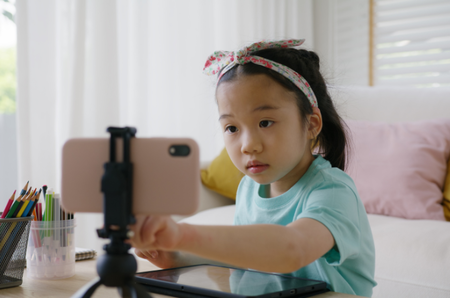
5. Set Safety Controls Within the TikTok App
TikTok offers features that help parents supervise their children more effectively, such as Family Pairing, which allows parents to manage their child’s usage from their own device.
Recommended Guidelines:
- Use Family Pairing to link your child’s account with the parent’s account.
- Enable Restricted Mode to filter out inappropriate content.
- Turn off settings such as “Allow others to comment/message/duet.”
- Regularly check the watch history or daily screen time report.
Example:
“How many age-restricted videos have you watched today? Want to check your watch history together? I’d love to see what kind of stuff you enjoy.”
6. Offer Alternative Activities (To Reduce Screen Time)
Saying “no” alone isn’t usually effective. What works better is creative redirection—offering other engaging options that provide the same fun and sense of accomplishment as TikTok.
Recommended Guidelines:
- Suggest similar offline activities, like putting on a short play or recording fun home videos.
- Set up family activity time where your child leads, such as a parent-child kitchen dance challenge.
- Teach video editing using apps like CapCut or InShot without posting the videos—so your child can express creativity safely.
Example:
“How about we make a cookie-baking video together today? You can be the host, I’ll film, and when we’re done, we’ll just watch it on our home TV—not post it online!”
So… Should You Let Your Child Use TikTok?
The best answer may not be a simple “yes” or “no”, but rather another question: “How well do we understand our child’s world?”
TikTok is both a modern playground and a potential danger zone. Children can learn, explore, and express themselves creatively on the platform—but they may also face unrealistic expectations, harmful comparisons, violent content, or even hidden threats from strangers.
The key is using TikTok mindfully—for both kids and parents.
Modern parenting isn’t just about controlling—it’s about coexisting with understanding.
- Talk openly with your child without quick judgment
- Set clear time limits
- Use in-app safety tools
- Teach critical thinking and media literacy
- Help them protect their privacy and digital identity
Because at the end of the day, even if you ban TikTok today, a new platform will emerge tomorrow. But if your child has been nurtured with strong “digital immunity” from the start, they’ll be able to use any technology safely, maturely, and creatively.
TikTok is neither an enemy nor a babysitter.
If parents stand beside their child with deep listening and loving guidance, any platform can become a beautiful space for growth.
Originally published on theAsianparent Thailand


 Money Tips
 Building a BakuNation
 Becoming a Parent
 Ages & Stages
 Parenting
 Health & Wellness
 Education
 Lifestyle Section
 Become a VIP
 Press Room
 Shopping
 Community
 Rewards
 VIP Parents
