Having children is a profound joy that comes with hope and many expectations. But often, those expectations are based on a misunderstanding—that children will fill the void in our lives or be the answer to all our problems. Understanding the purpose of having children means recognizing that they are not born to complete their parents’ lives. This article invites all parents to reflect on and better understand the true role of being a parent.
The Misunderstanding Parents Often Have About The Purpose of Having Children
Viewing children as the center of our lives and expecting them to fill what we feel is missing is a psychological trap that can negatively affect both the child and the family dynamic.
1. Children as a Reflection of Parental Success
Seeing children as a “trophy” that reflects their parents’ capabilities and success puts pressure on the child and can lead to a loss of their own identity.
Example: Parents frequently post photos of their child’s outstanding grades or awards on social media, accompanied by proud captions as if it were their own achievement. They often talk in detail about their child’s abilities to others to gain praise as “good parents.”
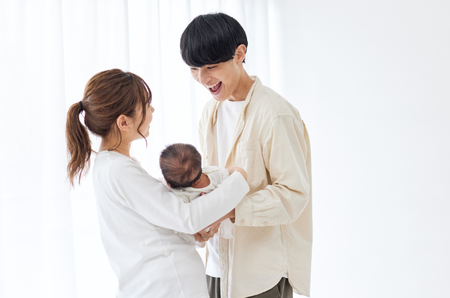
2. Children as the Only Source of Happiness
Clinging to the belief that your entire happiness depends on your child—and expecting them to be an endless source of joy—can lead parents to become overly controlling.
Example: A mother who has devoted her entire life to her child becomes severely depressed and withdrawn once the child moves out. She constantly calls to check on the child’s whereabouts, making the child feel suffocated. The mother has no other source of happiness or social interaction outside of her child.
3. Children as a Way to Fill Emotional Voids
Using children to fulfill unmet emotional needs—like loneliness or a sense of incompleteness—prevents recognizing them as individuals with their own thoughts, emotions, and needs. Instead, they’re treated merely as an extension of the parent’s emotional needs.
Example: A father who feels lonely after a divorce constantly wants to spend time with his child, treating them like a best friend. He becomes upset when the child wants to hang out with peers instead, making the child feel responsible for the father’s happiness.
4. Children as Dream Fulfillers
When parents push their children to achieve dreams they themselves failed to realize—without considering the child’s own desires—it can create pressure and kill the child’s intrinsic motivation.
Example: A father who once aspired to be a football player but had to quit due to an injury pressures his son to pursue the sport. He forces intense training from a young age, even though the son expresses a preference for music over football.
The True Role of Being a Parent and The Purpose of Having Children
Many believe that parenting is about “molding” children to fit a dream—like pushing them to become doctors just because it’s the parents’ ideal. However, understanding the purpose of having children reveals that children are not born to complete their parents’ lives. Instead, we invite parents to view themselves more like gardeners nurturing small saplings to grow naturally and beautifully, rather than sculptors forcing clay into a predetermined shape.
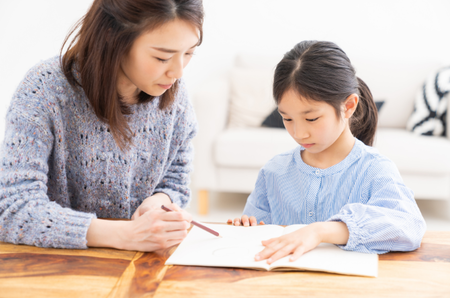
Now let’s take a look at what our true role as parents really is—and why shifting this perspective is crucial for the happiness of the whole family.
1. Be a “Guide,” Not a “Controller”
A parent’s role is to guide and support their child in discovering their own potential—not to force them to follow the parent’s desires. Allowing children to explore, make mistakes, and learn helps build self-confidence. On the other hand, if they’re constantly controlled or expected to meet their parents’ standards, they may feel guilty, become indecisive, or lack confidence in themselves.
How to do it: Instead of saying, “You have to take extra math classes,” try asking, “Is there something you’re especially interested in learning? We’ve noticed you’re good at this/curious about that. Let’s talk about what activities you’d like to try.” Giving your child space to choose and learn through trial and error—under your care—helps them discover who they truly are.
2. Be a “Safe Space,” Not a “Cage”
Home should be a safe space filled with love, understanding, and opportunities to learn. When children feel safe, they’re more willing to explore the world and develop healthy emotional regulation.
How to do it: Ask yourself if your home is a place where your child feels free to be themselves. Can they express their true feelings? Do you give them the chance to try new things, make mistakes, and learn from them? Creating a nurturing environment could be as simple as providing developmental books and toys, or just sitting and listening to their stories with full attention.

3. Be a “Learner,” Not a “Know-It-All”
Parenting is a journey where we, too, must continually learn and grow. Opening our hearts to learning, accepting mistakes, and adapting helps us become flexible parents who grow alongside our children.
How to do this?: Try to listen openly to your child’s opinions, even if they differ from yours. Learn from the new things your child introduces you to, such as technology or modern culture. Acknowledging that we can make mistakes and being willing to apologize to our children when we’re wrong is also crucial—it teaches them the value of learning and self-growth.
4. Be an “Accepter,” Not an “Owner”
Children are individuals with their own thoughts, feelings, and desires. They are not extensions of us. Accepting and supporting them to be their true selves helps them grow happily and reach their full potential.
How to do this?: Ask yourself, “Do I love my child for who they truly are, or for who I want them to be?” Give them the space to express their feelings, opinions, and preferences—even if these don’t align with your expectations or understanding. Embracing and appreciating your child’s uniqueness lays the foundation for their self-worth and gives them the courage to live authentically.
Shifting the parental mindset to understand the purpose of having children helps us see our true role, leading to a family relationship filled with love and lasting happiness.
Children are not born to fulfill their parents’ lives. True happiness and fulfillment come from within—not from relying on others, not even our own children. By adjusting our perspective, we can better understand our real role as parents and free ourselves from unrealistic expectations, allowing both parent and child to grow and thrive together authentically.
Originally published on theAsianparent Thailand


 Money Tips
 Building a BakuNation
 Becoming a Parent
 Ages & Stages
 Parenting
 Health & Wellness
 Education
 Lifestyle Section
 Become a VIP
 Press Room
 TAP Recommends
 Shopping
 Community
 Rewards
 VIP Parents
