When parents see their child quarreling with friends, grabbing toys, or making someone cry, they often immediately insist on teaching kids to apologize. But what usually comes out is just a meaningless “sorry,” spoken only out of obedience, without the child understanding why they should say it or truly feeling the other person’s emotions.
In truth, “apologizing” and “forgiving” are not merely social etiquette—they are the foundation for living with others in the future, and skills that need to be practiced from an early age. This article will help parents understand how to teach children to apologize and forgive sincerely, along with practical approaches to help them grow into empathetic individuals who build healthy relationships for life.
The Starting Point of Social Skills: Why Apologizing and Forgiving Matter
Apologizing: This means acknowledging that one has done something that affects another person, while showing responsibility and the intention to improve. A sincere apology helps ease tension and repair relationships.
Forgiving: This means recognizing that people make mistakes, and choosing not to hold onto anger or pain for too long. Children who learn to forgive from an early age will understand how to manage their emotions and maintain relationships.
A study from Harvard University found that children who are taught to understand emotions and forgiveness are more likely to build lasting friendships compared to those who are not taught these values—because they understand mistakes and are not afraid to admit when they’re wrong.
Therefore, teaching kids to apologize and forgive is more than just teaching etiquette—it is about laying the foundation for social skills and emotional intelligence (EQ), both of which are essential for life in society. By teaching kids to apologize sincerely, parents nurture empathy, responsibility, and stronger connections with others.

How Do Children Learn About Mistakes, Responsibility, and Emotions?
Children don’t naturally understand the meaning of “right” and “wrong” from the start. They learn through experience and from the examples shown by parents and those around them.
When they are very young, a child may not yet realize that grabbing a toy hurts their friend’s feelings. To them, it’s simply doing what they want. But if parents help reflect emotions—such as saying, “Your friend is crying because you took the toy”—the child begins to learn that their actions affect others.
As they grow, children start to understand that making mistakes comes with responsibility, and that words or actions can help repair hurt feelings. This learning process builds the foundation for understanding both their own emotions and those of others.
Parents should guide children to recognize everyone’s emotions—not just by saying, “Don’t do that,” but by explaining the consequences. For example, “When we grab a toy, our friend feels sad. But if we ask first, our friend might be happy to share.”
This is the first step in helping children learn responsibility and develop empathy—the root of being able to apologize and forgive.
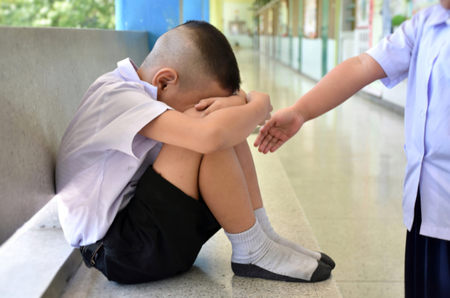
How to Teach Children to Apologize and Forgive
Teaching Children to Apologize Sincerely
When a child is forced to say “sorry” without understanding why, the word loses its meaning. They say it just to end the situation, without truly learning. Parents can guide their child more effectively by:
-
Explaining emotions: For example, “Your friend is crying because you pushed him”—this helps children connect actions with emotional consequences.
-
Encouraging perspective-taking: Ask, “If it were you and your friend did this, how would you feel?” This builds empathy and understanding.
-
Modeling words and actions: Younger children may not know how to apologize properly. Parents can suggest, “Try saying ‘I’m sorry’ and give the toy back.”
-
Using dialogue practice:
-
Parent: “How do you think your friend felt when you took the toy?”
-
Child: “He felt sad.”
-
Parent: “Then let’s say, ‘I’m sorry,’ and give the toy back, okay?”
This practice makes the apology meaningful and helps children develop responsibility, instead of just avoiding conflict.
Teaching Children to Forgive and Let Go of Anger
Forgiveness is even harder than apologizing, because children must learn to regulate their own emotions and accept that mistakes happen. Parents can nurture this skill through:
-
Stories and examples: Share stories where characters make mistakes, but are forgiven—like friends who fight and then make up.
-
Simple forgiving words: Teach phrases like “It’s okay” or “Be careful next time.”
-
Highlighting the benefits of forgiveness: For instance, “If you stay angry, you won’t enjoy playing anymore. But if you forgive, you can have fun with your friend again.”
Helping Children Release Anger
Young children often feel anger strongly, but it passes quickly. Parents can reflect their feelings by saying, “I know you’re angry, but if you forgive, your friend will be happy too.” This shows that forgiveness isn’t weakness—it’s a way to bring more happiness to themselves.

The Role of Parents and Long-Term Outcomes
1. Parents as the clearest role models
-
Apologizing to your child: If a parent makes a mistake—such as snapping at their child out of exhaustion—they should apologize and explain, for example: “I was tired earlier and accidentally raised my voice. I’m sorry.” This helps children learn that even adults make mistakes, and it’s okay to say sorry.
-
Teaching through real life: If parents make mistakes with family members, they should apologize in front of their child, showing them a real-life example to follow.
2. Guide, don’t force
Forcing children to apologize or forgive can create resistance. Instead, parents should explain, guide, and allow children to choose on their own. This way, the learning comes from genuine understanding.
3. Long-term results
Children raised this way grow into adults who:
- Understand and empathize with others.
- Communicate well and resolve conflicts in relationships.
- Develop emotional intelligence (EQ), which benefits both personal life and future careers.
Teaching children to apologize and forgive isn’t just about raising polite or obedient kids. It lays the foundation for lifelong social and emotional skills. Parents can start with small, everyday moments—helping children reflect on emotions, understand how their actions affect others, practice sincere apologies, and learn to forgive when mistakes happen.
Ultimately, teaching children how to apologize and forgive is about guiding them to understand the perspectives of others, helping them grow into adults who can build strong, healthy, and happy relationships.
Originally published on theAsianparent Thailand


 Money Tips
 Building a BakuNation
 Becoming a Parent
 Ages & Stages
 Parenting
 Health & Wellness
 Education
 Lifestyle Section
 Become a VIP
 Press Room
 TAP Recommends
 Community
 Rewards
 VIP Parents
