The modern Filipino home has never been busier. Parents juggle work, grandparents hover with wisdom, yayas manage routines, and somewhere in the middle of it all, tiny hands reach for remotes, climb drawers, or pull down cords. It feels safe because it’s home. But as any pediatrician will tell you, home is where some of the most dangerous accidents happen.
Dr. Erika Andrea Resurreccion Akiat—known on social media as Pedia Mom Erika—has seen it all. In her clinic, she meets families at their most anxious moments: a toddler who swallowed a coin, a baby with scald burns, a child who toppled a cabinet. These are not freak accidents. They’re preventable tragedies hiding in plain sight.

Source: Pedia Mom Erika
“Actually if you think about it, pediatricians are really hard to come by because we’re always in the clinics, so if you want to talk to one you really have to schedule a consult,” Erika says.
View this post on Instagram
“So I realized through social media, it really isn’t a substitute for consults, but at least it’s a venue for you to number one, parang for us to balance the misinformation that you see online. Number two, it also helps us promote more of preventive pediatrics.”
Her message is equal parts warning and empowerment: baby safety isn’t about bubble-wrapping your child’s world. It’s about setting gentle boundaries, being one step ahead of their curiosity, and knowing what really puts them at risk.
Baby Safety Starts with Curiosity
Kids are naturally curious. They climb, they touch, they mouth things—and that curiosity can quickly become dangerous if adults aren’t careful.
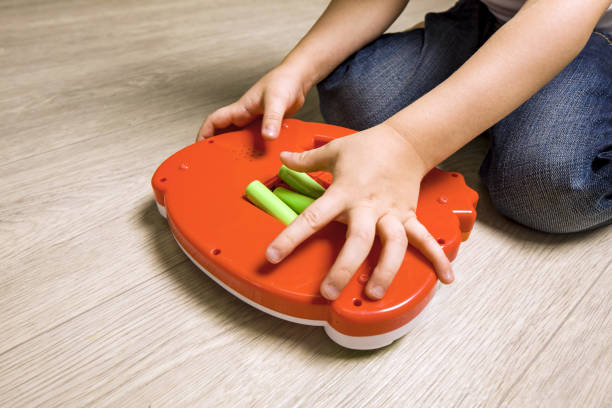
“We have patients who come in who have ingested batteries from toys, from remote controls,” she says. “Sometimes these batteries, number one, can either just be lying around, or number two, they can actually be inside something like a toy or a remote control that isn’t properly, parang, screwed on.”
Source: iStock
The danger isn’t always obvious. “Even if the battery isn’t new—if it’s a dead battery, parang di na nag-work sa toy—they can still carry an electrical current. And when a child swallows it, it can cause erosion. So it can burn through the child’s throat, esophagus, and stomach,” Dr. Erika warns.
Parents might wonder how to know if a battery has been swallowed. Drooling, gagging, vomiting, frothing at the mouth, refusing food, unexplained cough, fever, or irritability are all warning signs. Yet Dr. Erika notes, “Some children can even have no symptoms at all at first. So if you suspect that it happened, go to the emergency room immediately. Don’t wait na for the symptoms.”
Prevention, she says, is surprisingly simple:
“Prevention is key when it comes to safety. So make sure all your devices are shut tight. What I mean by shut tight is not closed lang. Make sure it has screws—you know, toys nowadays actually have screws. It’s already screwed on, the battery. So yes, it’s a hassle to open it, but actually, it serves a purpose.”
For parents navigating the everyday hazards of curiosity, Dr. Erika’s advice is a reminder: vigilance, education, and preparation are the real keys to keeping little explorers safe.
Baby Safety and Furniture
Accidents don’t just come from what kids swallow. Dr. Erika warns about hazards towering over them.
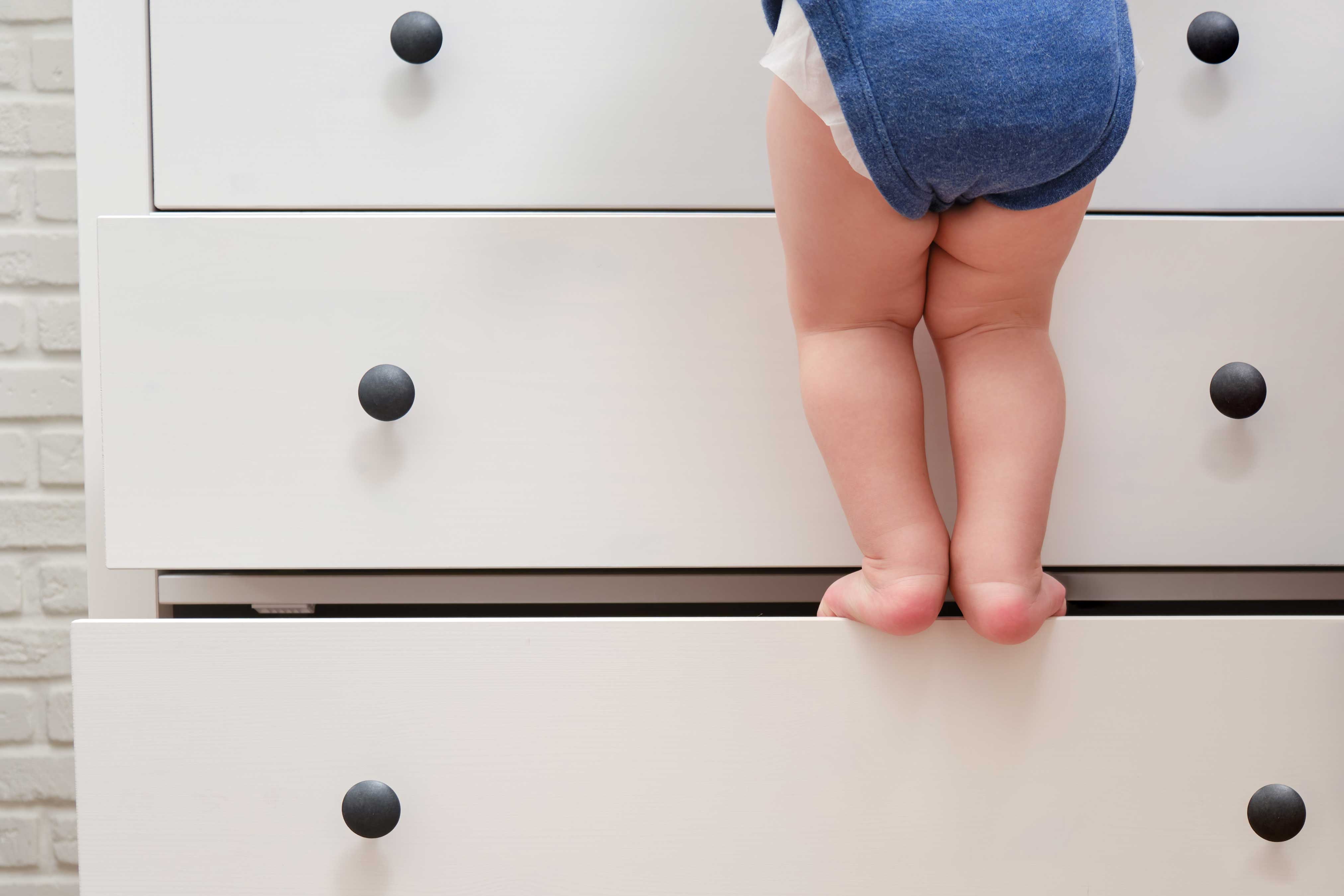
“Furniture, especially lightweight ones, can tip over. Our children kasi might think they’re like jungle gyms, or yung mga maliliit na cabinets, yung mga drawers. They can climb on them, and then it can tip over,” she notes.
Source: Shutterstock
Her advice? Anchor furniture. “What you can do is make sure your furniture is anchored safely. I do appreciate IKEA kasi, if you notice, at the back, there are instructions na you can actually drill it to the wall. If you could do that, it’s much better.”
Cords are another sneaky culprit. “Sometimes kasi, the toddlers, they like to play with it, tapos after a while, they get entangled. So that’s very dangerous. Keep it out of reach.”
And let’s not forget coins, earrings, beads, and pins—tiny things left lying around that can lead to choking. The mantra here is that if it can fit in a child’s mouth, it doesn’t belong on the floor.
Baby Safety in the Kitchen
If you ask Dr. Erika about one of the most common emergency visits, she’ll say it’s scald burns.
“Toddlers are curious. A child can just grab your coffee mug, and suddenly, hot liquid is all over their skin,” she says. “Steam from rice cookers, spilled soup, even bath water turned too hot too fast—all of these can burn thin, sensitive skin.”

Source: Freepik
The first-aid playbook?
-
Remove the child from the heat source immediately.
-
Run cold water (not ice) over the affected area.
-
Don’t put toothpaste, butter, or honey.
-
Cover the burn with a clean cloth.
-
Head straight to the emergency room.
Above all, Dr. Erika reminds parents that supervision is key: “Just being attentive is already a form of baby proofing.”
Gentle Boundaries: Saying No Without Saying No
Source: iStock
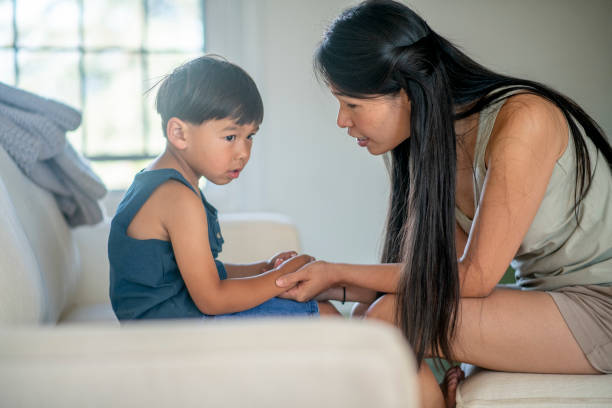
Parents often struggle with setting limits. Dr. Erika gets it. She and her husband agreed on one thing: “We’ll only say no when it affects their safety.”
That’s where gentle boundaries come in. Instead of constant reprimands, she suggests redirection. “If your child goes to the kitchen, instead of scolding, say, ‘No, this isn’t safe—let’s go play here instead.’”
Another secret weapon? Modeling. “My son knows that hot is ouchy because I model it. Children copy us. If they see you respecting safety, they’ll learn to do the same.”
She also recommends creating “yes spaces”—safe zones where children can explore freely without constant warnings. It’s the balance between growth and safety.
Three Baby Safety Tips Every Parent Must Hear
Dr. Erika has seen it all—curious crawlers, fearless toddlers, and those “how did you even reach that?!” moments. And if there’s one thing she wants every parent to know, it’s that safety starts with understanding your child.
Source: Pedia Mom Erika
1. Baby-proof according to development.
Dr. Erika reminds parents that what’s safe for an infant isn’t always safe for a toddler. Crawlers grab anything in sight, while walkers reach for things higher up. The key? Keep baby-proofing in step with your child’s milestones.
2. See the house through your baby’s eyes.
One of her go-to tips: get down on your knees and literally look around like your child does. What can they grab? What looks tempting? Those are the spots that need securing.
3. Supervision over gadgets.
You don’t need every baby-proofing tool under the sun. Dr. Erika emphasizes that watching closely and being present often matter more than any lock or cover. Sometimes, presence is the ultimate safety net.
For parents juggling work, sleep, and the never-ending mess, Dr. Erika’s advice is a simple reminder: you don’t need perfection—just awareness, preparation, and a little curiosity about what your baby sees.
Why This Matters for Filipino Homes
Unlike in the U.S., Dr. Erika points out that recalls for dangerous toys and furniture aren’t well regulated here. That makes baby safety a personal responsibility. Parents, grandparents, yayas—all need to be on the same page.
“You don’t have to baby-proof everything. But you do have to know your home, your child, and the hidden dangers that are waiting if you’re not careful,” she says.
Home Sweet (Safe) Home: Because Tiny Hands Don’t Read Labels

Source: iStock
Batteries, cords, drawers, coffee mugs. Your home is basically an obstacle course for tiny humans with zero fear and maximum curiosity. Dr. Erika reminds us that baby-proofing isn’t about turning your house into a padded celll, it’s about seeing the world from their eye level, anchoring that wobbly furniture, and hiding anything that can fit in a mouth.
So anchor that furniture, screw in those batteries, stash the coins, and maybe—just maybe—think twice before leaving that charger cord lying around. Watch, guide, and redirect. Model safety. Create yes-spaces. Keep supervision as your ultimate gadget.
Because at the end of the day, the goal isn’t to bubble-wrap childhood. It’s to let curiosity live safely, in a home where tiny hands can explore. Parenting isn’t about perfection. It’s about foresight.
And in a home full of tiny hands and endless curiosity, that foresight is what keeps them safe… and keeps you sane.
May katanungan tungkol sa pagpapalaki ng anak? Basahin ang mga artikulo o magtanong sa kapwa magulang sa aming app. I-download ang theAsianparent Community sa iOS o Android!


 Money Tips
 Building a BakuNation
 Para Sa Magulang
 Anak
Anak Pagpapalaki ng anak
 Kalusugan
 Edukasyon
 Lifestyle
 VIP Community
 TAP Picks
 Community
 Rewards
 VIP Parents
