Typhoid was a major health concern around the world during the 19th century, especially in areas where uncontaminated food and water were in short supply. To protect vulnerable populations, many countries now prioritize the typhoid vaccine for kids, as children are more susceptible to the disease and its long-term effects on physical and cognitive development.
Caused by the bacteria Salmonella Typhi, typhoid has triggered multiple global epidemics. It was only with the development of the vaccine in the early 20th century that the mortality rate from typhoid fever began to decline.
In recent years, immunization has played a key role in preventing typhoid fever outbreaks. However, communities with poor sanitation and limited access to clean water remain at risk. Today, most countries implement routine typhoid vaccine for kids to protect children from this potentially deadly infection.
In August 2019, there was a mild attack of typhoid fever in Singapore which caused the Ministry of Health and the Singapore Food Agency to increase the vigilance regarding food and water safety around the city. Prolonged fever, headache, vomiting and diarrhea are some of the common symptoms of typhoid which is often contracted through contaminated food. The ministry has advised citizens to thoroughly cook food before consuming and to avoid mixing raw food with cooked food. Parents are advised to practice vigilance in administering typhoid vaccine for kids regularly, as specified by the pediatrician.
Types of Typhoid Vaccines and WHO Recommendations
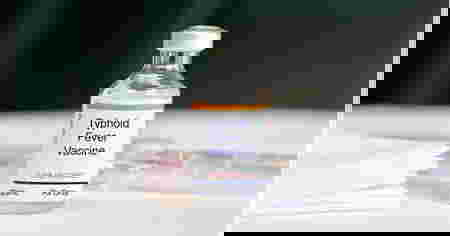
There are two types of typhoid vaccine for kids available in the market today. One is typhoid polysaccharide vaccine and the other is typhoid conjugate vaccine. WHO recommends that typhoid conjugate vaccine (TCV) is administered to children between 6 months and 2 years of age.
Studies have proven that TCV is more effective for children when compared to other typhoid vaccines. It also does not require a booster dose. Inactivated typhoid vaccine or Typhim Vi is recommended for children above 2 years of age. Live typhoid vaccine or Ty21a is administered for children above 6 years of age. Both Typhim Vi and Ty21a can be given to adults, under the advisement of a doctor.
When to Immunize Your Child
Singapore is not considered a country that is at high risk of typhoid outbreaks, so the typhoid vaccine is not generally considered a part of the immunization schedule. Nevertheless, it would be a good idea to consult with your pediatrician. Check whether your child requires immunization or not. Also, if you are planning to travel abroad to countries that are considered at risk of typhoid outbreak, you should administer typhoid vaccine for your kids.
Precautions to Take Before Immunization
You must take certain precautions before getting your child immunized for typhoid infections. For instance, you must make absolutely certain that your child is not allergic to any of the components in the typhoid vaccine. If your child has had a severe reaction to a previous dose of the vaccine, refrain from administering a booster dose. Also, make sure that your child is in good health and not suffering/recovering from any illnesses before getting the typhoid vaccine. There is no need to panic if your child misses a dose of the vaccine; your doctor will be able to recommend the next ideal time to administer it.
Risks and side-effects
Although generally considered as safe, typhoid vaccine for kids does come with a few risks and side effects. Children are known to suffer from a mild fever for a day or two after the vaccine has been administered. If the fever persists, immediately consult your pediatrician. In some rare cases, children were also known to exhibit acute allergic reactions like dizziness, hives, swelling of the face or throat, difficulty in breathing, weakness and high fever. In such cases, do not delay in taking your child to the hospital.
Cost of Typhoid Vaccine in the Philippines
The cost of typhoid vaccination in the Philippines varies depending on where you get it—whether at a government health center or a private clinic. At public health centers (such as barangay health centers or through programs by the Department of Health), the typhoid vaccine is often free or offered at a very low cost, especially for children and priority groups.
In private clinics and hospitals, the price typically ranges from ₱1,000 to ₱3,000 per dose, depending on the brand and location. Some private health insurance plans or HMO coverage may include routine vaccinations, so it’s best to check with your provider.
Always consult a licensed healthcare professional to ensure the vaccine is appropriate for your needs and age group.
ALSO READ:
How to Improve Your Child’s Gut Health: Advice From the Experts

Originally published on theAsianparent Singapore


 Money Tips
 Building a BakuNation
 Becoming a Parent
 Ages & Stages
 Parenting
 Health & Wellness
 Education
 Lifestyle Section
 Become a VIP
 Press Room
 Shopping
 Community
 Rewards
 VIP Parents
