Common rainy season illnesses are a major concern for many parents, as this is a time when children can quickly show symptoms of illness — and for some, those symptoms can be quite severe. Today, theAsianparent explores which illnesses children are prone to during this season, with insights from Dr. JuneJune (Dr. Natthaporn Chumkhong), a pediatrician from the Good Doctor application, featured on the TAP Ambassador program.
Did you know that in the past, there was a common traditional belief during the rainy season? Whether a child had a fever or not, if they were even slightly exposed to rain, parents would often give them medicine as a preventive measure — even before any symptoms appeared. This practice, however, is not recommended for children. What should be done immediately after getting caught in the rain is to change into dry clothes or take a shower, to prevent germs from triggering a cold. During the rainy season, viruses and some bacteria are more widespread. That said, taking medicine in advance — of any kind — is not advisable. Symptom-relief medications, if not taken properly, can affect a child’s liver or kidneys.

Common Rainy Season Illnesses to Watch Out For:
- RSV (Respiratory Syncytial Virus): Common in children under 5 years old. Symptoms may include high fever and difficulty breathing.
- Influenza (Flu): Each year, different flu strains tend to spread during this season.
- Hand, Foot, and Mouth Disease: Causes high fever in children and often comes with rashes on the hands, feet, and mouth, or itching across the body.
- Dengue Fever: A mosquito-borne viral disease that occurs annually and remains a serious health concern.
- Diarrhea: Often related to gastrointestinal infections, which may also cause fever or vomiting.

Common rainy season illnesses: Early Symptoms of RSV (Respiratory Syncytial Virus)
RSV presents with symptoms similar to the common cold—cough, sore throat, and runny nose. However, during the first 3–4 days, high fever may occur. It can be more severe in children under 2 years old, potentially causing labored breathing and mucus congestion, making it more concerning than a regular cold. Currently, there is no vaccine for RSV, despite over a decade of development efforts. The best preventive measure is frequent handwashing, as the virus spreads through contact and bodily secretions.
Children with underlying conditions such as lung disease, heart disease, immunodeficiency, or those on immunosuppressive drugs are at higher risk of severe complications, such as lung infections leading to respiratory distress.
Even after recovering from an RSV infection, reinfection can occur, as immunity usually lasts less than 3 months. Complications may also arise during recovery—if a child seems to improve but then worsens, they must be evaluated by a doctor.
Early Symptoms of Influenza (Flu)
To distinguish between the flu and a common cold, note that flu usually presents with a high fever of 39–40°C (102–104°F) during the first 2–3 days. In contrast, a regular cold tends to cause only a mild fever and general discomfort. However, symptoms like sore throat, cough, runny nose, and mucus can be present in both.
Another key difference is that the flu often includes body aches, headaches, and pain behind the eyes—symptoms more common in older children and adults.
Parents who wish to vaccinate their child against the flu can do so from 6 months of age. In the first year, two doses are required, spaced one month apart. After that, a single annual booster is recommended.
Early Symptoms of Hand, Foot, and Mouth Disease (HFMD)
Unlike flu or RSV, HFMD is a viral infection caused by enteroviruses. It spreads through contact with saliva, nasal discharge, fluid from blisters, or feces, often via contaminated hands or toys. It can also spread through coughing and sneezing. Young children are especially vulnerable.
Symptoms usually appear 3–6 days after exposure and begin with a mild fever and fatigue. Within 1–2 days, painful sores may appear in the mouth, along with small blisters on the palms, soles, and inside the mouth (soft palate, cheeks, tongue). These eventually break and become shallow ulcers.
The main concern with HFMD is the risk of complications from mutated virus strains, such as viral meningitis or nervous system issues, which require close monitoring.

Common rainy season illnesses: Initial Symptoms of Diarrhea
While it’s true that Thailand’s hot and humid climate often sees a rise in diarrhea or sudden bowel movements during the summer, the rainy season also presents risks. Certain bacteria thrive well in moisture, leading to acute diarrhea or food poisoning. These are typically caused by consuming food contaminated with microorganisms that affect the gastrointestinal tract and intestines. At-risk groups may experience severe dehydration, causing the body to lose essential water and minerals.
In children who have not received preventive vaccines, symptoms may include passing watery stools more than three times a day, mucus or blood in the stool, fever, abdominal pain, nausea, vomiting, straining during bowel movements, fatigue, dry mouth, dry throat, and reduced urination. What’s concerning is that if all these symptoms occur together, they may lead to shock or kidney failure.
For patients experiencing ongoing diarrhea or fatigue, it is not recommended to drink plain water in large amounts. During continuous diarrhea, it’s better to consume rehydration solutions, which help replenish lost electrolytes and sugars in the body.
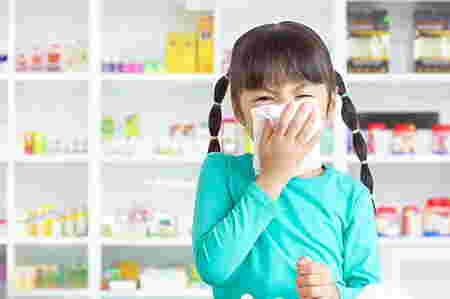
In addition to the five common rainy season illnesses often found in young children, there are other concerning diseases that can also occur during this time. However, rather than focusing only on treatment or prevention, it’s best to keep your little ones strong and healthy at all times. Avoiding outdoor activities during rainfall can also be a better choice.
Originally published on theAsianparent Thailand


 Money Tips
 Building a BakuNation
 Becoming a Parent
 Ages & Stages
 Parenting
 Health & Wellness
 Education
 Lifestyle Section
 Become a VIP
 Press Room
 Shopping
 Community
 Rewards
