What is diarrhea in babies? Infants often experience diarrhea for various reasons. This condition can be identified by changes in bowel movement frequency or stool characteristics — such as passing watery stools three or more times a day, passing stool with mucus and blood once, or passing large amounts of liquid stool within 24 hours.
Aside from monitoring the frequency of bowel movements, parents should also observe other signs, such as a noticeable change in the baby’s mood, decreased appetite, mild fever, or vomiting — all of which may accompany diarrhea.
Causes of Diarrhea in Babies
Infants have underdeveloped immune systems, making them more vulnerable to viruses and bacteria in their surroundings. Around 70% of diarrhea cases are caused by infection through the mouth or hands. Other potential causes include:
- Ear infections
- Parasitic infections
- Use of antibiotics
- Excessive fruit juice intake
- Cow’s milk protein allergy
- Food allergies or intolerances (e.g., lactose intolerance)
- Exposure to toxins, chemicals, plant substances, or certain medications
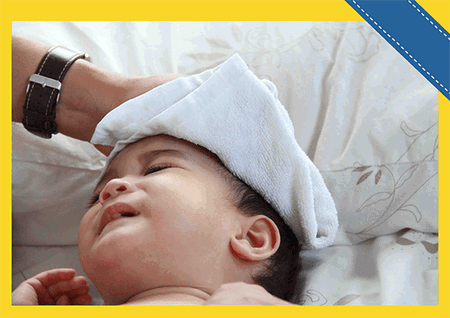
diarrhea in babies
Dangers of Diarrhea in Infants
Diarrhea in infants is very dangerous, as the risk of death is higher compared to adults. This is because an infant’s intestines absorb less water and nutrients, leading to dehydration and a loss of essential minerals. Severe dehydration can result in dizziness, shock, and ultimately death.
When to See a Doctor for Infant Diarrhea
- Diarrhea lasts for 5-14 days
- Signs of dehydration: reduced urination, dry mouth, sunken eyes, or lethargy
- Continuous vomiting
- Stools with mucus and a foul odor
- Stools with blood or dark-colored
- Severe diarrhea while taking antibiotics
- Fever over 38°C (100.4°F) or seizures
- Rapid breathing
- Increased heart rate
How to Care for and Prevent Diarrhea in Babies
If your baby has diarrhea, you can manage and prevent further complications with these tips:
- Offer oral rehydration salts (ORS) to replace lost fluids and minerals and reduce the risk of dehydration.
- Do not give anti-diarrheal medicine, as it can keep harmful bacteria in the intestines and may spread infection into the bloodstream.
- Breastfeeding is the best prevention, as breast milk contains essential nutrients and LPR probiotics, which strengthen the baby’s immune system to fight infections.
For more expert advice on managing infant diarrhea, consult healthcare professionals.
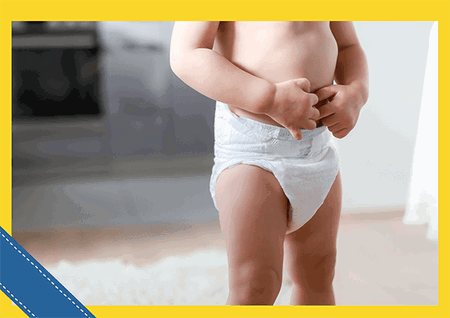
diarrhea in babies
Get to Know LPR Probiotics: The Ultimate Secret in Breast Milk
LPR probiotics, or Lactobacillus rhamnosus GG, is the most effective microorganism in treating acute diarrhea caused by infections in children. Studies have shown that, in addition to strengthening the immune system, LPR helps protect the intestines of infants suffering from diarrhea caused by infections. It also plays a vital role in creating neurotransmitters in the brain, aiding in cognitive development.
With a strong and healthy body, babies can learn without hindrance, allowing them to fully develop their brain and learning skills effectively.
Boosting immunity offers multiple benefits for your little one. Therefore, “breast milk,” which contains LPR probiotics, not only increases the number of beneficial bacteria but also helps protect against harmful infections in the intestines, promotes digestive health, and supports cognitive development. It’s a secret ingredient that strengthens and enhances the potential for growth. Parents should focus on proper nutrition and health support at each stage of development to ensure their child’s well-being and maximize their learning capabilities.
#LPRProbioticsInBreastMilk #LPRProbioticsWithMedicalResearchBackedEvidence
Originally published on theAsianParent Thailand


 Money Tips
 Building a BakuNation
 Becoming a Parent
 Ages & Stages
 Parenting
 Health & Wellness
 Education
 Lifestyle Section
 Become a VIP
 Press Room
 TAP Recommends
 Shopping
 Rewards
 VIP Parents
