What are normal newborn Jaundice levels? is a common concern for new parents when their baby appears yellow. This article explains clearly and simply the normal jaundice levels, whether a bilirubin level of 12 is dangerous, how to care for a jaundiced baby, and frequently asked questions.
In fact, neonatal jaundice is very common in newborns. According to the American Academy of Pediatrics (2022), over 60% of full-term babies and more than 80% of preterm babies show yellowing during the first few days after birth.
Even though it’s common, parents need to distinguish between “normal jaundice” and “dangerous jaundice,” because untreated high bilirubin levels can pose serious risks to a baby’s brain.
What Is Newborn Jaundice?
First, it’s important to understand that “jaundice level” refers to the bilirubin level in a baby’s blood.
Bilirubin is a yellow substance produced when red blood cells break down.
In adults, the liver normally removes bilirubin efficiently.
In newborns, however, the liver is not fully developed, so bilirubin can build up in the blood, causing yellowing of the skin and eyes.
Other contributing factors include:
- Low milk intake, which reduces bilirubin excretion
- Blood type incompatibility between mother and baby, causing increased red blood cell breakdown
- Premature birth, when the liver is even less mature
What Are Normal Newborn Jaundice Levels?
Bilirubin levels are usually measured in milligrams per deciliter (mg/dL):
- < 5 mg/dL: Normal
- 5–12 mg/dL: Common in babies 2–5 days old, usually not dangerous but requires monitoring
- > 12 mg/dL: Requires caution, especially within the first 24 hours
- > 20 mg/dL: High risk, can lead to bilirubin accumulation and kernicterus (brain damage)
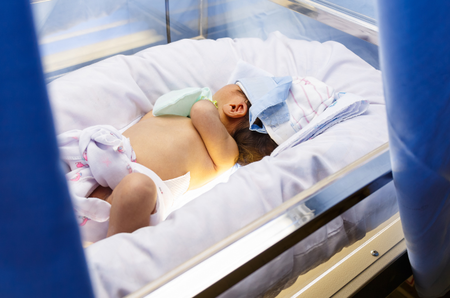
Frequently Asked Questions by Parents
Is a bilirubin level of 12 dangerous?
Generally, it is not dangerous, but it must be considered along with the baby’s age in days and overall health. For example, if a baby is 2–3 days old, a bilirubin level of 12 is usually monitored. However, if the baby is less than 24 hours old and the level reaches 12, a repeat test should be done immediately.
Does a bilirubin level of 15 require hospitalization?
Often, doctors recommend hospitalization for phototherapy, as the level has entered the risk range—especially for very young or low-weight babies.
Is newborn jaundice dangerous? Which types require urgent medical attention?
Parents can observe at home, but medical attention is needed immediately if any of the following occur:
- Yellowing present from the first day after birth
- Jaundice increases after 1 week of age
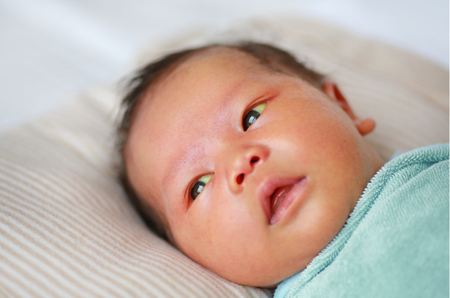
- Yellowing noticeable on the palms, soles, or eyes
- Baby is lethargic, hard to wake, feeding poorly, or crying unusually
- Risk factors present, such as premature birth, low birth weight (<2,500 g), or blood type incompatibility (Rh or ABO incompatibility)
Newborn Jaundice: Remedies and Treatments
1. Frequent Feeding
The simplest method parents can do is to feed the baby often, every 2–3 hours. Breast milk helps stimulate bowel movements, and stools and urine help remove bilirubin from the body.
2. Phototherapy
Phototherapy is the standard hospital treatment. The baby is placed under special lights that help break down bilirubin for easier elimination. This method is safe and effective.
3. Exchange Transfusion
This is only used in cases of extremely high bilirubin levels that risk brain damage, such as > 25 mg/dL.
4. Sunlight Exposure—Does It Help?
While some families believe sunlight can reduce jaundice, there is no clear research confirming its safety or effectiveness. Current international guidelines, such as AAP (2022) and NHS UK, do not recommend sunlight as a primary treatment.
Common Questions from Parents
- What are normal bilirubin levels? Below 12 mg/dL is usually safe.
- How long does jaundice last? Most cases resolve within 1–2 weeks; it may last longer for preterm babies.
- Do preterm babies need extra caution? Yes, because their livers are not fully developed, making bilirubin rise faster.
- Does jaundice affect long-term development? Timely treatment usually prevents complications, but untreated high bilirubin can affect the brain and development.
Newborn jaundice is common and mostly not dangerous. Parents should know:
- Normal bilirubin levels are typically below 12 mg/dL.
- Watch for symptoms at home, such as lethargy, poor feeding, or yellowing of palms and soles.
- If unsure, seek medical attention promptly for proper assessment and treatment.
Frequent feeding and continuous monitoring by a pediatrician will help babies safely pass through this stage.
Originally published on theAsianparent Thailand
American Academy of Pediatrics. Management of Hyperbilirubinemia in the Newborn Infant 35 or More Weeks of Gestation (AAP Clinical Practice Guideline, 2022)
World Health Organization (WHO). Jaundice in newborns
National Health Service (NHS, UK). Newborn jaundice
ราชวิทยาลัยกุมารแพทย์แห่งประเทศไทย. ภาวะตัวเหลืองในทารกแรกเกิด
Maisels MJ, McDonagh AF. Phototherapy for neonatal jaundice. New England Journal of Medicine. 2008;358(9):920-928.


 Money Tips
 Building a BakuNation
 Becoming a Parent
 Ages & Stages
 Parenting
 Health & Wellness
 Education
 Lifestyle Section
 Become a VIP
 Press Room
 Shopping
 Community
 Rewards
 VIP Parents
