Did you know, Mom and Dad, that the rainy season doesn’t just bring refreshing showers—it also brings along a tiny villain called the Respiratory Syncytial Virus (RSV)? This virus loves to spread during the wet months, with outbreaks peaking between June and October every year. At first glance, its symptoms may look like a common cold, but the danger lies in the fact that it can cause severe illness such as pneumonia, which may even be life-threatening—especially in newborns and children under two. Statistics show that every child will be infected with RSV at least once before the age of five.
But don’t worry! Modern medicine now offers a powerful tool called “ready-made immunity”, a protective shield that works instantly—without waiting for the body to build its own defenses like traditional vaccines. This is a new option to help keep your little one safe from this hidden enemy.
Today, theAsianparent sits down with Professor Dr. Thanyawee Puthanakit, pediatric infectious disease expert and Head of the Pediatric Infectious Disease and Vaccine Research Center at Chulalongkorn University, to help parents understand RSV better, as well as how “ready-made immunity” can protect your child so they can grow strong and healthy—rain or shine.
Meet RSV—the Villain of the Rainy Season
The rainy season has arrived again with its cool, refreshing winds. But one unwelcome guest often comes along with it: RSV (Respiratory Syncytial Virus). Many parents may not be very familiar with it, but it poses a serious risk for children, especially young ones.
Don’t be alarmed—having the right knowledge is the best shield you can give your child. Let’s get to know this virus better.
What is RSV?
RSV, or Respiratory Syncytial Virus, is a harmful virus that thrives in the rainy season. It’s one of the main causes of respiratory tract infections in children, especially those under 2 years old, and outbreaks peak every year between June and October.
This virus has two main strains: RSV-A and RSV-B, which parents should learn about so they can prepare to protect their children.
What are the symptoms of RSV infection?
To help parents recognize the signs of RSV and not confuse it with the common cold, here are the key points to watch for:
Early symptoms (similar to a common cold):
- Fever
- Cough
- Sneezing
- Runny nose
Warning signs that it may be getting serious:
- High fever with severe coughing
- Shortness of breath or rapid breathing
- Abnormal breathing sounds (such as wheezing or rattling in the throat)
These signs may indicate that the virus has spread to the lower respiratory tract, leading to inflammation of the bronchioles and lungs. This is especially dangerous for children under 2, those with weak immune systems, or children with preexisting heart and lung conditions.
If untreated, complications can occur, such as bronchiolitis, ear infections, or bacterial pneumonia—making treatment more complex and recovery longer.
How is RSV different from the common cold?
In healthy adults and older children, RSV may look no different from a regular cold. What makes RSV more concerning is its ability to escalate quickly in young children—particularly newborns up to 2 years old. What begins as a simple cold can rapidly progress into bronchiolitis or pneumonia, making it far more dangerous than the common cold.
The Younger the Child, the Higher the Risk
RSV infection is something every child will encounter at least once before the age of 5. Studies show:
- 90% of children will contract RSV within their first 2 years.
- 50% of children will contract it within their first year.
The younger the child, the higher the risk—especially for infants under 1 year old, whether born full-term, prematurely, or with underlying conditions. Infection can become so severe that they require intensive care—and in some cases, it may even be fatal.
About 1 in 3 young children with RSV will develop serious lower respiratory tract infections, such as bronchiolitis or pneumonia. Even after recovery, some children may develop airway hypersensitivity within the first 5 years, and a few may go on to develop asthma later in life.
This is why parents must watch their children closely. If you notice unusual symptoms, seek medical attention immediately so your child can get the right treatment and stay safe from this dangerous virus.
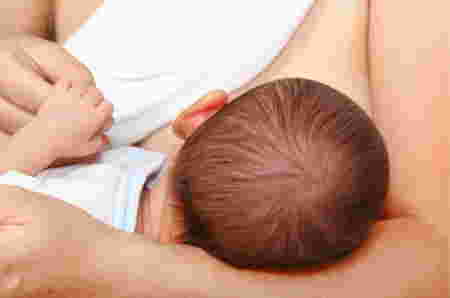
A shield that parents can build themselves to help keep their little ones safe from the RSV virus
To keep your child safe from RSV, parents can easily create a shield of protection by paying attention to these 3 key things:
1. Building immunity from within
“Breast milk” is the best natural shield given to babies, as it is full of nutrients and antibodies that protect against harmful germs. Even partial breastfeeding can significantly reduce the risk of bloodstream infections and RSV-related respiratory diseases. If infection does occur, symptoms will be less severe. Breast milk also helps lower the chance of diarrhea and ear infections.
2. Maintaining good hygiene regularly
Handwashing is the key to preventing illness, since our hands are the best carriers of germs. Parents and everyone in the family should wash their hands thoroughly and often—their own hands as well as the child’s. Proper handwashing can reduce germs by up to 70%. Don’t forget to regularly clean your child’s toys and belongings, too.
3. Creating a safe environment
Beyond personal hygiene, keeping the surrounding environment clean is just as important. Regularly clean the house and the child’s toys. Most importantly, avoid taking your child to crowded places or public gatherings—whether your child is healthy or sick—because these places carry a high risk of spreading infections.
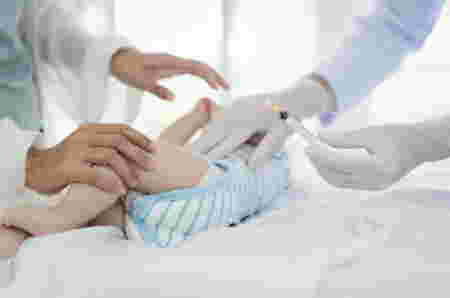
A New Option! “Ready-Made Immunity” for RSV Protection
Aside from basic care and prevention, there is now a promising new option being explored worldwide to help protect babies from RSV—ready-made immunity.
What is RSV ready-made immunity?
Most parents are familiar with the word “vaccine.” However, ready-made immunity is not a vaccine. Instead, it is an injection of antibodies given directly to the baby, providing instant protection against RSV that can last for up to 6 months.
In other countries, such as the US and parts of Europe, doctors are already using a monoclonal antibody called Nirsevimab to help protect infants from RSV. Meanwhile, in the Philippines, it is not yet available, but local researchers have joined international studies on its effectiveness—showing that our medical community is keeping a close watch on this development.
Benefits of ready-made immunity
International research has confirmed that ready-made immunity can significantly reduce the risks linked to RSV:
- 79.5% reduction in hospitalization from lower respiratory tract infection
- 82.7% reduction in overall risk of hospitalization due to RSV
- 75.3% reduction in treatment duration and need for intensive care
Why this matters for Filipino families
In the Philippines, RSV also tends to rise during the rainy season (around June to October), the same period when many children are prone to colds, flu, and other respiratory illnesses. This makes RSV a hidden threat for infants—especially those under 2 years old.
Although ready-made immunity for RSV is not yet rolled out locally, parents are encouraged to:
- Stay updated on advisories from the Department of Health (DOH) and the Philippine Pediatric Society (PPS).
- Ask your pediatrician about the latest available preventive options.
- Continue with basic protective measures such as breastfeeding, handwashing, and avoiding crowded places during peak infection months.
With awareness and preparation, Filipino parents can be ready for when new protective options like ready-made immunity become available—ensuring their little ones grow up healthier and safer against RSV.
Originally published on theAsianparent Thailand


 Money Tips
 Building a BakuNation
 Becoming a Parent
 Ages & Stages
 Parenting
 Health & Wellness
 Education
 Lifestyle Section
 Become a VIP
 Press Room
 TAP Recommends
 Rewards
 VIP Parents
