Uterine prolapse is probably a term many people don’t hear very often. But if you say “low uterus,” it might sound more familiar. This condition is one of the common problems among women, especially those who have been pregnant at least once. Today, we’ll explore what uterine prolapse is, how symptoms of uterine prolapse typically present, and whether it’s dangerous. Understanding the symptoms of uterine prolapse can also help in seeking timely and proper treatment.
What are the symptoms of uterine prolapse?
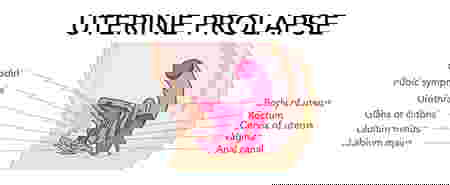
Uterine prolapse, or as it is commonly called, a low uterus (Uterine Prolapse), is a condition in which the uterus, which is normally in the pelvis, moves down or falls into the vagina. This is caused by weakened pelvic muscles and tissues. It is most commonly found in women who have been pregnant at least once, menopausal women, or older women.

What are the causes of uterine prolapse?
Uterine prolapse occurs when the pelvic muscles and tissues become weak and cannot support the uterus in its normal position. The main causes are as follows:
1. Pelvic muscles and tissues weaken with age.
When women enter menopause, their bodies produce less estrogen, which is a hormone that helps strengthen muscles and tissues in the body. When estrogen levels decrease, the muscles and tissues in the pelvic floor become weak, which can cause the uterus to sag.
2. Multiple natural births
Natural childbirth , especially giving birth to a large baby, multiple babies, or cesarean section, affects the muscles and tissues of the pelvis, causing them to stretch or tear, which is a cause of uterine prolapse.
3. Regular lifting of heavy objects
Regular heavy lifting, especially lifting heavy objects incorrectly, increases the pressure on the pelvic floor, causing the pelvic floor muscles to weaken.
4. Chronic constipation
Frequent, prolonged straining to pass stool increases the pressure on the pelvic floor, weakening the pelvic floor muscles.
5. Obesity
Being overweight increases the pressure on the pelvic floor, weakening the pelvic floor muscles.
6. Smoking
Chemicals in cigarettes affect collagen, causing muscles and tissues to deteriorate and become weaker.
7. Have you had vaginal or uterine surgery?
Surgery on the vagina or uterus affects the muscles and tissues in the pelvis, causing them to become weak.
Other risk factors
- heredity
- Certain genetic diseases, such as Marfan syndrome, Ehlers-Danlos syndrome
- Certain chronic diseases, such as chronic obstructive pulmonary disease, chronic cough
What are the symptoms of uterine prolapse?
Uterine prolapse symptoms depend on the severity of the disease. Generally, they are divided into 4 levels as follows:
Level 1:
- It feels like something is pulling me down into my vagina.
- There may be increased vaginal discharge.
Level 2:
- It feels like a lump of flesh is protruding from the vagina.
- Feeling uncomfortable, annoyed or painful when walking
- Frequent urination, incomplete urination, urine leakage
- Feces leakage
Level 3:
- The uterus protrudes halfway into the vagina.
- The above symptoms will become more severe.
Level 4:
- The uterus protrudes completely.
- Disturbing daily life
There are also other additional symptoms such as:
- Lower back pain
- Lower abdominal pain
- Feeling pain during intercourse
How can uterine prolapse be treated?
Treatment for uterine prolapse depends on the severity of the disease.
1. Behavior modification
- Lose weight: If you are overweight, your doctor will recommend losing weight because being overweight increases the pressure on your pelvic floor, weakening your pelvic floor muscles.
- Quit smoking: Chemicals in cigarettes affect collagen, causing muscle and tissue to deteriorate and become weak. Quitting smoking will reduce the risk of uterine prolapse.
- Exercise type: This is an exercise for the pelvic floor muscles by tensing the muscles as you would when holding urine, hold for 5 seconds, then relax. Repeat 10 times, do 3 sets, 3 times a day. This type of exercise helps strengthen the pelvic floor muscles and helps support the uterus in its normal position.
- Avoid heavy lifting: Heavy lifting increases the pressure on the pelvic floor, weakening the pelvic floor muscles. Avoid heavy lifting or lift heavy objects properly.
- Straining properly when passing stool: Straining forcefully for a long time and frequently increases the pressure on the pelvic floor. Straining should be moderate and not too forceful.
- Treat constipation: Constipation causes you to have to strain hard for a long time and often, which increases the pressure on your pelvis. Constipation should be treated by eating a high-fiber diet, drinking enough water, and exercising regularly.
2. Use of medication for treatment
- Hormonal medications: Your doctor may prescribe hormone medications, such as estrogen. Estrogen helps build muscle and tissue in your body, including your pelvic floor muscles. However, hormone medications can cause side effects, such as headaches, breast tenderness, and mood swings. Consult your doctor before taking any medication.
- Pain medication: Your doctor may prescribe pain medication to relieve lower abdominal pain, lower back pain, or burning when urinating.
3. Surgery
- Surgery: Doctors will consider surgery in cases of severe symptoms, such as the uterus protruding through the vagina, urine or fecal incontinence. There are several methods of surgery, depending on the severity of the disease and the patient’s health. Surgery may be performed through the vagina, through the abdomen, or through a camera.
How can we prevent uterine prolapse?
The best way to prevent uterine prolapse is to maintain good health, as follows:
1. Do Kegel exercises regularly.
- Kegel exercises are pelvic floor muscle exercises. Contract the muscles as you would when holding urine, hold for 5 seconds, then release. Repeat 10 times. Do 3 sets, 3 times a day.
- Kegel exercises should be started when you are young or after giving birth to strengthen your pelvic floor muscles and reduce the risk of uterine prolapse.
2. Weight control
- Being overweight increases the pressure on the pelvic floor, affecting the pelvic floor muscles. You should control your weight to be within normal range by eating healthy food, exercising regularly and getting enough rest.
3. Avoid lifting heavy objects.
- Lifting heavy objects increases the pressure on the pelvic floor, affecting the pelvic floor muscles. You should avoid lifting heavy objects or lift heavy objects correctly, using leg muscles. Do not use back muscles.
4. Take care of your overall health.
- Eat healthy, exercise regularly, get enough rest, control stress, and have regular health check-ups. Taking care of your overall health will help strengthen your body, strengthen your pelvic muscles, and reduce the risk of uterine prolapse.
If you think you are at risk or have similar symptoms, you should see a doctor immediately. Starting to take care of yourself today will help you have good health and live a happy life.
Republished with permission from theAsianParent Thailand


 Money Tips
 Building a BakuNation
 Becoming a Parent
 Ages & Stages
 Parenting
 Health & Wellness
 Education
 Lifestyle Section
 Become a VIP
 Press Room
 TAP Recommends
 Shopping
 Community
 Rewards
