It is not unusual for a child to suffer from diarrhea from time to time. This ailment often causes discomfort and interruptions to the daily schedule. Knowing how to manage diarrhea in children is crucial for parents. This could spell the difference between effective home care and having to see your pediatrician.
Toddler Diarrhea
A person with diarrhea has looser or more frequent bowel movements, and they pass three or more loose or liquid stools (poos) per day. It is not diarrhea if the stools are soft, formed, and solid.
In young children, persistent (chronic) diarrhea is frequently brought on by toddler’s diarrhea. It primarily affects kids between the ages of 1 and 5 years, and boys are more likely to develop it.
What Causes Diarrhea in Children
Children’s diarrhea might have a variety of causes; it’s not a disease in and of itself. Children may get diarrhea due to the following conditions:
- Viral gastroenteritis
- Bacterial gastroenteritis
- Parasites
- Antibiotics
- Clostridium difficile
Long-term causes of diarrhea
Diarrhea in kids can be brought on by a number of long-term (chronic) health issues, including:
- Chronic constipation
- Lactose intolerance
- Inflammatory bowel disease (IBD)
- Coeliac disease
- Malabsorption
If your child has to see a doctor because of diarrhea for whatever reason, the doctor will determine whether the youngster is dehydrated. The doctor will also inquire as to whether you have lately taken antibiotics or spoken to someone who has experienced similar symptoms.
Infants and young children are more at risk of dying from dehydration. Therefore, it’s crucial to recognize the symptoms of dehydration.
Diarrhea Symptoms
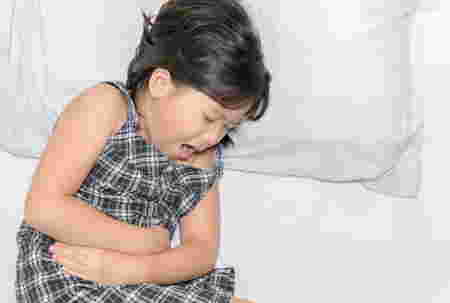
Image Source: iStock
When they experience diarrhea, babies and young children are far more prone to getting dehydrated than adults. They might require hospitalization since they can get very ill very quickly. Dehydration in children can show these symptoms:
- chapped lips, tongue, and mouth
- Dimly lit eyes
- being grumpy or listless
- Crying less often and gushing less tears
Get medical care for your child right away because severe dehydration is a medical emergency that might be fatal. These signs include:
- drinking little or not at all
- feeling drained
- generating either no urine or very little urine.
- extremely hollow eyes
- A baby’s severely sunken fontanelle
- blotchy, chilly, or pale skin
- Quick breathing
Diarrhea Treatment
Hydration and proper nutrition are two things that Abbott consultant Dr Chu Hui Ping, a paediatric gastroenterologist at the Raffles Medical Group, emphasizes that parents should really pay attention to during periods of diarrhoea in kids.
The underlying reason will determine how to manage diarrhea in infants and young children.
- Diarrhea brought on by antibiotics: The doctor might suggest stopping or switching the antibiotic.
- Coeliac disease or lactose intolerance: Dietary changes can be used to treat illnesses like lactose intolerance or coeliac disease.
- Constipation: A doctor or pediatrician must treat your child’s persistent constipation if it results in faecal incontinence.
- Cryptosporidiosis: This ailment typically has no specific treatment and resolves on its own.
- Dehydration: Your child may need to visit a hospital for intravenous (through a drip) or nasogastric (down their nose into their stomach) rehydration.
- Gastroenteritis: Keep your child hydrated and replenish any nutrients and salts they may have lost. An oral rehydration solution, which is available from the pharmacist, can be used for this. Usually, gastroenteritis will go away on its own without any special care.
- Giardia: This condition is manageable with particular antibiotics.
- Inflammatory bowel disease (IBD): They will need to see a specialist, take medications, and drink special formula.
- Malabsorption: Treatment for malabsorption will depend on the underlying reason and may involve supplying any nutrients that are lost.
Children should not take anti-diarrheal medications.
Addressing these needs properly, plus proper home care can prevent the illness from worsening. When treated properly, it does not last long and should not pose a serious health threat.
Check out our 10 commandments for parents when dealing with diarrhea in kids in order to give your child the care they need.
How To Stop Diarrhea: The 10 Commandments
1. Thou shalt recognize the signs and symptoms of diarrhea.
Diarrhea can mean loose or watery stools or an increase in the frequency of your child’s need to do a number two – twice the usual number of times for infants, and three or more instances of loose stools in older children.
Other symptoms include abdominal pain, cramps and bloating.
2. Thou shalt know the causes of diarrhea.
In developed countries like Singapore, the most common causes of diarrhea are viral infections. This can also be caused by allergic reactions to medicines such as antibiotics, food allergies, intolerance to food such as cow’s milk, and intestinal illnesses.
3. Thou shalt understand how prolonged diarrhea affects the body.
Dr Chu explains that severe or prolonged diarrhea can cause what is known as secondary lactose intolerance. This happens when the intestinal lining is damaged, making it unable to produce enough lactase, which the body needs in order to digest lactose or milk sugar.
A child who is suffering from secondary lactose intolerance due to diarrhea may suffer from abdominal cramps, flatulence, and even continued diarrhea if he continues to take cow’s milk.
Image Source: iStock
4. Thou shalt change your child’s diaper and clean him up immediately after bowel movements.
Because of frequent defecation, your child’s bum could become sensitive. Cleaning him up immediately and changing his soiled diapers can help prevent irritation. Remember to wash with mild soap and use a diaper rash cream when needed.
5. Thou shalt give your child more than just water and diluted milk.
It is a common mistake to have your child consume nothing but water and overly diluted milk when he has diarrhea. This can result in an insufficient intake of calories and increase the risk of low blood sugar or hypoglycemia.
If your child has an appetite, go ahead and allow him to eat. It would help to go for a lactose-free diet to prevent further stomach irritation, as advised by Dr Chu. For smaller children, feeding them a soy formula instead of cow’s milk has been shown to shorten the period of diarrhea by up to two days.
6. Thou shalt feed your kid food that will harden his stools.
When choosing foods to prepare for your kid with diarrhea, opt to go for a good combination of starchy complex carbohydrates, lean meats and vegetables.
Priorities food that can bulk up the stools, like bananas, apples, toast, rice and potatoes.
7. Thou shalt keep your child well-hydrated.
Drinking a lot of fluids is the key to preventing dehydration during episodes of diarrhea. This is especially true for small children who can become dehydrated rather quickly.
Remember, though, that when dealing with diarrhea in kids, you should avoid giving sweetened beverages including fruit juices and sports drinks. These can further aggravate the condition by drawing more water into the intestines.
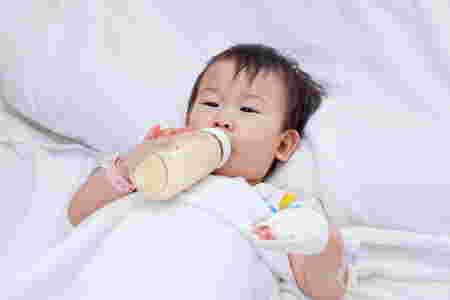
It is important to make sure that kids with diarrhea replenish fluids lost by drinking more than the usual amount of water and lactose-free milk
8. Thou shalt not give medication to your child unless this is prescribed by a doctor.
For toddlers and small children, avoid giving any over-the-counter medication unless this has been prescribed by a doctor.
9. Thou shall take your child to the doctor in extreme cases.
As important as it is to know how to treat diarrhea in kids, it is also important to know when it’s time to call the doctor. You should make an appointment to see your child’s pediatrician if you notice any of the following in your child:
- Severe or prolonged diarrhea
- No urination for over three hours
- High fever, 39 degrees and up
- Dry mouth and cracked lips
- No tears when crying
- Unusual sleepiness and irritability
- Black or bloody stools
- Faster than normal heartbeat
- Sunken eyes or cheeks
10. Thou shalt take these precautions to prevent the spread of diarrhea.
Because infections that cause diarrhea in kids are contagious, there is a big chance that this can quickly spread to others. In order to prevent this, make sure that you and your child do the following:
- Wash your hands often using an antibacterial soap
- Use hand sanitizer or alcohol to clean your hands when washing is not possible
- Do not share utensils or cups
- Clean play surfaces and toys often
Food for Diarrhea: the Four Fs
In many cases, no therapy is necessary, especially if symptoms are minor. Typically, the child is unconcerned. Perhaps all that is needed is reassurance that it will pass. However, in many instances, if the youngster adjusts specific eating and drinking habits, the diarrhea will go away or become less severe.
Unhealthy eating and drinking habits are frequently developed in toddlers, which may be a factor in having diarrhea. Any one of the following could be important. The “4 Fs” stand for fat, liquid, fruit juices, and fiber.
1. Fat
Children with low-fat diets are more likely to experience toddler diarrhea. A low-fat diet is beneficial for adults in preventing heart disease, but it is not beneficial for young children.
Preschoolers’ diets should contain 35 to 40 per cent fat on average. Generally speaking, this entails consuming whole milk as opposed to semi-skimmed or skimmed varieties, as well as items like yoghurt, milk pudding, cheese, and dairy products.
Giving a higher-fat item (such as whole milk yoghurt, milk pudding, ice cream, or cheese) to a toddler after a meal may help lessen their diarrhea.
2. Fruit juice
Give them only a small amount of fruit juice or squash. Fruit juice is all that some kids will consume to satiate their thirst.
For the majority of liquids, it is recommended to give kids water, and reserve fruit juice for special occasions. However, some kids who regularly consume juice or squash may feel angry if they are abruptly denied their go-to beverage.
If you do offer your child juice or squash in this situation, make sure it is extremely thoroughly diluted. Then, over time, try to progressively increase the dilution.
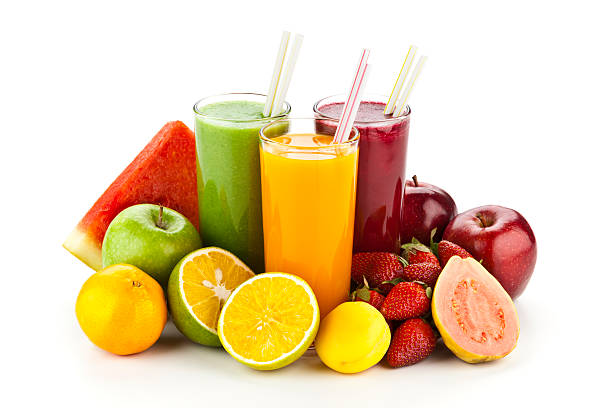
Image source: iStock
For the following reasons, it’s bad to consume too much juice or squash:
- Fruit juices include a variety of sugars (carbohydrates). Some sugars reach the big bowel because they are not absorbed or digested (colon). They may act in this situation to hold water in the colon and result in watery stools. The worst apple juice tends to be clear apple juice because it has the most specific sugars. Juices that are cloudy but include fiber are better.
- Juice and squash have a lot of calories in their sugar. The desire for typical meals may decrease as a result. As a result, the child often consumes less fat and fiber during regular mealtimes. Some kids don’t seem to eat a lot of solid food and appear to get the majority of their daily calories from juice.
3. Fluid
Some children develop the habit of drinking nearly all the time. Instead of being a thirst quencher, this is frequently done for comfort. Even while toddlers require enough of fluids, more than 5 to 8 drinks per day—even if they are water—can cause diarrhea. Drinks should perhaps only be consumed during meals and snacks.
4. Fiber
Altering the diet’s fiber intake may be beneficial because, for certain kids, very low or high fiber intake can exacerbate symptoms. The portion of plant food that is not digested is called fiber (roughage). It remains in the intestines and is eliminated by feces. Fruit, whole meal bread, and vegetables in particular are high in fiber.
In the intestine, fiber acts somewhat like blotting paper by absorbing water. Therefore, increasing the food’s fiber content to normal levels may be beneficial if your child has a low-fiber diet. You can easily accomplish this by eating a balanced, healthy diet that includes some fruit and vegetables.
A high-fiber diet, however, can make matters worse because too much of it can lead to loose stools, especially in young children. A balanced diet for your child should include plenty of fruits and vegetables, but some are more likely than others to give your toddler diarrhea. If your child gets toddler diarrhea, you should think about limiting the following foods:
- Cereals high in fiber
- Whole grain bread
- Pulses, baked beans, lentils, sweet corn, and peas.
- Raisins and grapes.
Image Source: iStock
Updates from Matt Doctor
Originally published on theAsianparent Singapore
Dr Chu Hui Ping, Raffles Medical Group, Livestrong.com, Mayoclinic.org, Healthychildren.org, Kidshealth.org, fda.gov, Familydoctor.org, WebMD.com
Here at theAsianparent Philippines, it’s important for us to give information that is correct, significant, and timely. But this doesn’t serve as an alternative for medical advice or medical treatment. theAsianparent Philippines is not responsible for those that would choose to drink medicines based on information from our website. If you have any doubts, we recommend consulting your doctor for clearer information.


 Money Tips
 Building a BakuNation
 Becoming a Parent
 Ages & Stages
 Parenting
 Health & Wellness
 Education
 Lifestyle Section
 Become a VIP
 Press Room
 TAP Recommends
 Shopping
 Community
 Rewards
 VIP Parents
