There are a few things that can disrupt a family’s routine quite like a child getting sick.
For many moms, it often starts with small signs. A child who suddenly seems more tired than usual. A lingering cough before bedtime. Sniffles that turn into missed school days, canceled playdates, or quieter afternoons at home.
And while these moments are common growing-up experiences, they can still be difficult for parents to watch. Moms do what they can to help their children feel better. They remind them to wash their hands, prepare warm meals, encourage rest, and stay close when comfort is needed most.
These everyday acts are how moms show love and protection.
Today, conversations around children’s wellness are also evolving. Beyond vitamins and balanced meals, more parents are becoming curious about gut health, respiratory protection, and the role probiotics may play in supporting their child’s overall well-being. We have Dr. Gellina Maala, pediatrician, to help us understand how probiotics can help our children’s overall well-being.

Understanding Probiotics and How They Work
Probiotics are often described as “good bacteria” that help maintain a healthy balance within the digestive system. According to research, probiotics may help support digestive health and overall wellness when consumed as part of a balanced diet and healthy lifestyle.
While probiotics are commonly associated with digestion, experts say the conversation around gut health has expanded over the years.
“A healthy gut plays an important role in a child’s overall well-being because much of the immune system is connected to the gastrointestinal tract,” shares Dr. Maala.
For growing children, maintaining overall wellness can help support the energy they need for daily activities, from classroom learning to active play and bonding moments at home.

Looking Beyond the Gut
Many parents think of probiotics mainly for digestion, but research is also exploring how certain strains may help support a child’s natural defenses, including those related to respiratory health.
“Certain probiotic strains, including Lactobacillus rhamnosus, are being studied not only for digestive support but also for their potential role in supporting respiratory health and immune response in children,” explains Dr. Maala.
One probiotic strain that continues to receive scientific attention is Lactobacillus rhamnosus (L. rhamnosus), particularly its LGG strain. Recent reviews and meta analyses suggest that LGG may help support the body’s natural defenses related to respiratory health, even reducing the risk and severity of Respiratory Tract Infections (RTI).
LGG has also shown consistent results in gut health and immune function, especially in situations like illness and antibiotic use. Studies indicate that it may help reduce the risk and duration of gastrointestinal infections and antibiotic-associated diarrhea in children.
While probiotics are not a replacement for medical care, current evidence suggests they may help support gut health and overall immune wellbeing in children.
Why Respiratory Protection Matters
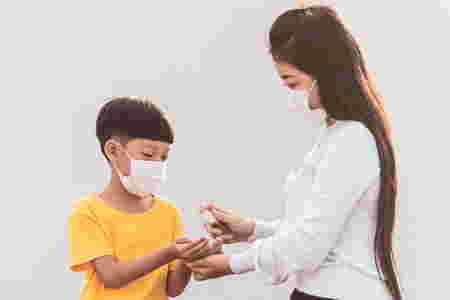
For moms, helping children stay healthy is about more than avoiding sick days.
When kids frequently experience coughs, colds, or discomfort, their simple daily routines are affected, like focusing in school and even during playtime.
That is why many parents are becoming more intentional about supporting their child through everyday habits.
Alongside nutritious meals, proper sleep, hydration, and physical activity, some moms also choose products that contain probiotics like L. rhamnosus, as it gives respiratory protection and supports digestive wellness, keeping your child happy and healthy.
Supporting Wellness One Glass at a Time
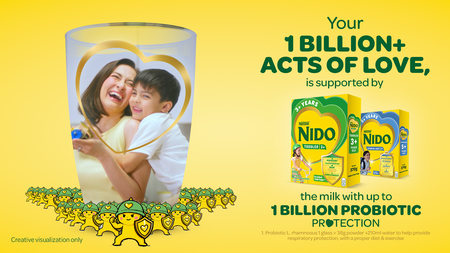
For generations, NIDO 3+ has been part of many Filipino households, especially during moments that bring families together, from breakfast before school to evening bonding at home.
NIDO 3+ contains up to 1 billion probiotics, including L. rhamnosus, which helps support the body’s natural defenses from common respiratory problems like coughs and colds.
For moms, giving their child NIDO 3+ is more than just part of their day. They’re part of their 1 billion+ acts of love.
Sometimes, love looks like preparing breakfast before school. Sometimes, it’s checking temperatures in the middle of the night. These gestures may seem simple, but they help children feel safe, protected, and cared for in ways that often stay with them as they grow.
Because while moms work hard to protect their children on the outside every day, supporting wellness from within can also become part of that care. And when their toddlers feel well, they’re more able to enjoy the moments moms work so hard to create, from playtime and learning to everyday bonding at home.
Moms are more than just moms.
Minsan, nurse. Minsan, alarm clock. Minsan, safe space.
And through all the ways they love and protect, every act matters.
As a mom, what’s your own “Minsan, ____” moment? Share your little #NIDOActsOfLove moments and celebrate the many ways moms love, protect, and care for their children.
Mayo Clinic. (2025, April 25). Probiotics and prebiotics: What you should know: Link
Mayo Clinic Health System. (2021, September 15). What’s the deal with probiotics? Link
Mayo Clinic Health System. (2024). Gut health: Prebiotics and probiotics: Link
Cleveland Clinic. (2023). Probiotics: What they are, benefits & side effects: Link
Liu, Y., Chen, Y., Liao, H., Sun, S., Zhang, X., Xie, L., & Liu, H. (2025). Research progress on the application of Lacticaseibacillus rhamnosus GG in pediatric respiratory diseases. Frontiers in Nutrition, 12, 1553674: Link
Dziechciarz, P., Krenke, K., Szajewska, H., & Horvath, A. (2020). Lactobacillus rhamnosus GG usage in the prevention of gastrointestinal and respiratory tract infections in children with gastroesophageal reflux disease treated with proton pump inhibitors: A randomized double-blinded placebo-controlled trial. Pediatric Gastroenterology, Hepatology & Nutrition, 23(3), 251–258: Link
Ananthan, S., et al. (2024). Lacticaseibacillus rhamnosus GG as a probiotic for preterm infants: A systematic review and meta-analysis. European Journal of Clinical Nutrition: Link
Liu, S., et al. (2025). Lacticaseibacillus rhamnosus GG and gastrointestinal outcomes: A systematic review and meta-analysis of randomized controlled trials. Food & Function. Royal Society of Chemistry: Link
Muhammad Naufal Zuhair, et al. (2025). Role of Lacticaseibacillus rhamnosus GG in the management of respiratory diseases: A systematic review and meta-analysis. Preventive Nutrition and Food Science: Link
Frontiers in Nutrition. (2025). Research progress on Lacticaseibacillus rhamnosus GG in pediatric respiratory diseases: Link
PubMed. (2025). Systematic review on probiotics and respiratory outcomes in children: Link
Frontiers in Microbiology / Immunology (2024–2025). Gut–lung axis and microbiome-immune interactions: Updated reviews: Link
Parenteam.com.ph: Link
May katanungan tungkol sa pagpapalaki ng anak? Basahin ang mga artikulo o magtanong sa kapwa magulang sa aming app. I-download ang theAsianparent Community sa iOS o Android!


 Money Tips
 Building a BakuNation
 Para Sa Magulang
 Anak
Anak Pagpapalaki ng anak
 Kalusugan
 Edukasyon
 Lifestyle
 Press Releases
 TAP Picks
 Shopping
 Rewards
