The uterus plays a vital role in pregnancy, so couples planning to conceive should focus on both the mother’s and baby’s health. One key step is eating foods to nourish the uterus before pregnancy to support embryo implantation and boost fertility. The simplest way to strengthen the womb and improve reproductive health is by choosing the right pre-pregnancy nutrition. This section introduces essential uterus-nourishing foods, what to eat more of, and what to reduce or avoid to prepare the body for conception.

Why is food that nourishes the uterus before pregnancy important?
In reality, preparing for pregnancy involves many factors that new moms need to pay attention to—not just “eating,” but also exercising and getting enough rest. However, choosing the right foods to nourish key organs like the uterus, which will carry the baby, can have a significant impact. It’s like giving vitamins to strengthen the ovaries and uterus. Here’s why food that nourishes the uterus before pregnancy is important:
- It helps prepare the body and increases the chances of getting pregnant by eating foods that make the uterus and ovaries as strong and healthy as possible to support fertility.
- When the uterus is strong, it improves the chances of embryo implantation and increases the likelihood of a successful pregnancy.
- Eating foods that nourish the uterus and ovaries helps reduce the risk of miscarriage, premature birth, and increases the chances of pregnancy for those experiencing infertility.
However, women planning for pregnancy should consult a doctor or nutritionist to get personalized advice about foods that nourish the uterus before pregnancy, as well as appropriate dietary and lifestyle habits.
|
|---|
What “nutrients” help “nourish the uterus”?
|
| Folic acid |
- It is an essential nutrient for promoting uterine health.
- It helps in the development of the future baby’s nervous system.
- It reduces the risk of developmental abnormalities in the baby.
- It supports the formation of new cells in the body.
|
| Vitamin E |
- An antioxidant that helps nourish the uterus
- Prevents uterine inflammation or infections
|
| Iron |
- An essential nutrient for blood production and strengthening the uterus
- Prevents anemia and reduces the risk of an unhealthy pregnancy
|
| Omega-3 Fatty Acids |
- Supports reproductive system function
- Enhances blood circulation to the uterus, ensuring it receives essential nutrients in preparation for pregnancy
|
| Vitamin C |
- Boosts the immune system and stimulates collagen production
- Helps strengthen and improve the elasticity of the uterine lining
|
| Zinc |
- A mineral that promotes cell growth and reproductive system health
- Prepares the uterus for pregnancy
|
List of 15 Uterus-Nourishing Foods Before Pregnancy
Brown Rice and Oats
High in fiber, these support digestion and promote a healthy digestive system. They are rich in energy-giving carbohydrates, important for supporting fetal development during pregnancy. They also contain various vitamins and minerals such as iron and B vitamins, which aid in the baby’s growth and development. Additionally, they help regulate weight during pregnancy.
Eggs
Help nourish the uterus and ovaries in preparation for pregnancy. They are rich in protein and contain vitamins B1, B2, calcium, and iron. Eggs are a source of nutrients that support brain health and reduce the risk of cardiovascular disease. Eating eggs in appropriate amounts also helps control cholesterol levels. Women planning for pregnancy are encouraged to eat one egg daily, especially duck eggs.
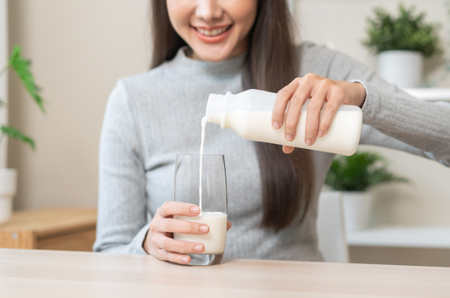
Fresh Milk
High in protein and calcium, it stimulates ovulation and strengthens the uterus. It’s especially suitable for women with ovulation problems, particularly those who are underweight.
Salmon
An excellent source of protein, omega-3 fatty acids, zinc, iron, and vitamin B12. It also helps balance hormones and supports the digestive system.
Oysters
For couples experiencing infertility, eating oysters before ovulation is recommended. They are rich in zinc, which stimulates the production of quality eggs.
Pumpkin Seeds
Rich in zinc, which helps reduce the risk of miscarriage. They also contain omega-3 fatty acids and iron. Iron from plant sources is more easily absorbed by the body than iron from animal sources.
Beans
Ideal for women looking to nourish the uterus. Beans like soybeans, red beans, broad beans, winged beans, and kidney beans are high in protein and iron, helping to produce quality eggs, increase pregnancy chances, and reduce the risk of uterine fibroids.
Black Sesame Seeds
Consuming 3–4 teaspoons of black sesame seeds daily helps with insomnia, relaxes the brain, and strengthens calcium levels in the body. Proper rest helps regulate hormones, making this a great food to strengthen eggs and the uterus in preparation for pregnancy. Consuming it during pregnancy is also beneficial for the baby.
Soy Milk
Drinking soy milk regularly, which is high in protein from soybeans, increases the chances of getting pregnant. It’s also a nourishing food during pregnancy, providing protein for the baby, reducing the risk of cow’s milk allergy, and supporting muscle development in the mother.
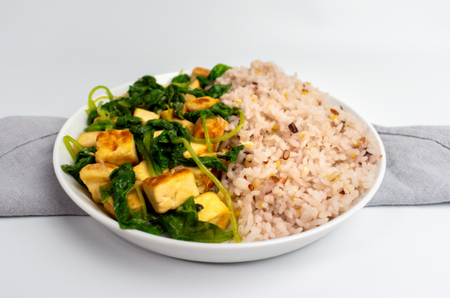
Spinach
A leafy green vegetable high in folate or “folic acid,” which helps prevent abnormal pregnancies and supports conception. Regular consumption of spinach and other green leafy vegetables provides enough dietary fiber and promotes healthy digestion.
Asparagus
A uterus-nourishing food before pregnancy, rich in niacin and vitamin B3, which support healthy blood circulation, strengthen bones, and help lower cholesterol levels in the blood.
Berries
Packed with antioxidants, especially vitamin C, which helps body cells repair themselves from diseases. They also nourish and enhance fertility, making berries highly beneficial for uterine health before pregnancy.
Avocado
A fruit high in healthy fats that helps balance hormones and prevent infertility.
Tomatoes
Contain “lycopene,” an antioxidant that inhibits melanin production, helping to reduce dark spots and promote healthy, hydrated skin.
Bananas
High in energy and rich in potassium, vitamin B6, minerals, glucose, and fiber that aid digestion. They help regulate the nervous system and muscle function. Bananas are a filling food suitable to eat at any time.

|
|---|
Foods to Avoid Before Pregnancy
|
| High-sugar foods |
Such as sweets, biscuits, cakes, and soft drinks may affect blood pressure levels and the baby’s weight later on. |
| High-fat foods |
Especially saturated fats, which can lead to cholesterol buildup. Examples include fried foods, fast food, and Korean BBQ. |
| Processed foods |
Items that are cured, salted, smoked, or dried—like sausages, bacon, bologna, Vietnamese pork rolls, and fermented pork—may contain high sodium, preservatives, or be contaminated with listeria bacteria. |
| Alcoholic beverages |
Liquor, beer, wine, soju, and punch can reduce the chances of conception and negatively affect fetal development. |
Eating uterus-nourishing foods before pregnancy doesn’t mean you have to stick only to the 15 foods listed. It’s important to eat a variety of fresh, chemical-free foods from all five food groups. Drink plenty of water and exercise regularly to improve overall health and prepare the body for pregnancy.
In some cases, if a woman planning to conceive cannot get all the essential nutrients from regular food intake, she may need to consider supplements such as folic acid or other vitamins that support uterine health. However, it is always best to consult a doctor or specialist beforehand.

How to Take Care of Yourself to Be Ready for Pregnancy
Eating the right foods helps nourish the uterus and ovaries in preparation for pregnancy, but it should go hand in hand with healthy daily habits and lifestyle practices. This can increase the chances of conception and benefit both the mother’s and baby’s health in the following ways:
Quit Smoking
Stop smoking as early as the planning phase and continue throughout pregnancy and breastfeeding. Smoking can block the fallopian tubes, reduce chances of conception, increase the risk of ectopic pregnancy, damage the embryo during implantation, and cause developmental issues in the fetus.
Discontinue Birth Control Methods
Stop using contraceptives such as birth control pills, condoms, or IUDs. It’s recommended to wait at least 3 months after stopping before trying to conceive to reduce the risk of miscarriage.
Have Intercourse Every 2–3 Days
Sex should ideally happen every 2–3 days. Avoid stress or pressure, as it can affect the relationship, reduce libido, and negatively impact overall health, making conception more difficult.
Exercise Regularly
Exercise is also a way to strengthen the uterus. Activities like swimming, yoga, aerobics, and pelvic floor exercises—such as holding a Kegel for about 5 seconds, then relaxing for 5 seconds—can help significantly.
Massage to Strengthen the Uterus
Massaging promotes blood flow to the uterus, fallopian tubes, and ovaries. It increases oxygen in the bloodstream, strengthens uterine muscles to better support a fertilized egg, and enhances fallopian tube movement, increasing the chances of egg-sperm fusion. It also helps expel menstrual blood, reduce cramps, and flush toxins or residue from the uterus.
Get Regular Health Checkups
Women should have regular pelvic exams and health checkups annually, as some diseases don’t show early symptoms and are harder to treat at advanced stages. Recommended screenings include:
- Cervical cancer screening
- Tests for sexually transmitted infections (e.g., gonorrhea, chlamydia, herpes, vaginal parasites, or HPV)
- Vaginal infection screenings (e.g., yeast or bacterial infections)
- Diagnosis of uterine abnormalities (e.g., abnormal bleeding, unusual discharge, fibroids, ovarian cysts, uterine prolapse)
- Pre-contraceptive assessment to ensure the chosen method is suitable (e.g., IUD fitting)
- Early pregnancy screening to assess readiness, identify risks, and prevent related diseases

In addition to the points mentioned above, mental health is also crucial for pregnancy. Excessive stress can disrupt hormonal balance in the mother’s body, leading to reproductive issues such as irregular menstruation and impaired uterine function.
Therefore, it’s important to engage in stress-relieving activities like meditation, listening to music, and getting enough sleep—at least 7–8 hours per night. This helps the body maintain hormonal balance, allowing the uterus and ovaries to function effectively and positively supporting future pregnancy.
Originally published on theAsianparent Thailand


 Money Tips
 Building a BakuNation
 Becoming a Parent
 Ages & Stages
 Parenting
 Health & Wellness
 Education
 Lifestyle Section
 Become a VIP
 Press Room
 Shopping
 Community
 Rewards
