Postpartum sterilization is one of the permanent contraception methods that has become increasingly popular, especially for parents who want to have the number of children they planned. Deciding to undergo sterilization is an important choice that requires careful consideration, as it affects future fertility. Is it better to have sterilization immediately after delivery? Is there a difference between sterilization after natural birth versus after a C-section? And how much more painful is sterilization after childbirth? Let’s find out.
Natural Birth vs. C-Section: Which Is Better?
Choosing a delivery method—natural birth or C-section—should involve consultation with a specialist to carefully assess the health of both mother and baby. The doctor will help plan the safest and most suitable birth method for each individual.
Natural Birth
Natural birth is a good option for healthy mothers with no risks or complications during pregnancy. Recovery is generally faster than after a C-section, and the birth wound is smaller and heals more quickly. This allows mothers to resume daily activities sooner. After natural birth, mothers may experience mild discomfort in the vaginal area, but overall mobility, including walking, sitting, and breastfeeding, is less restricted.
C-Section
A C-section is a surgical method of delivering a baby through an incision in the abdomen. This approach is suitable for mothers with certain risk factors, such as a nuchal cord, low-lying placenta, or other complications that could endanger both mother and baby. C-sections generally take less time than natural labor, but the incision and resulting scar differ from natural birth. Mothers who undergo a C-section must take extra care postpartum to prevent infection or inflammation of the surgical site.
What Is Postpartum Sterilization?
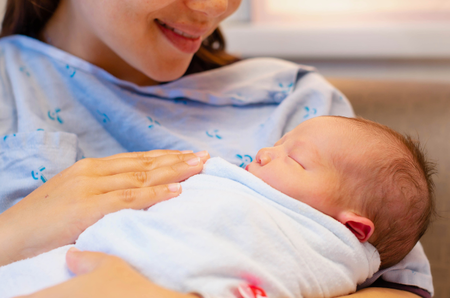
Postpartum sterilization is an option for mothers who want permanent contraception. Performing sterilization shortly after childbirth can reduce the risks associated with repeat surgeries. Postpartum sterilization involves a minor surgical procedure performed while the mother is still in the delivery room or within a few days after delivery. The procedure typically involves cutting or tying the fallopian tubes to prevent eggs and sperm from meeting, effectively preventing future pregnancies.
Types of Female Sterilization
Female sterilization is a popular permanent contraception method, with several options depending on individual circumstances. It can be broadly classified into two main types based on timing:
1. Postpartum Sterilization (Wet Sterilization)
Postpartum or “wet” sterilization is usually performed within 24–48 hours after childbirth. This timing is ideal because the woman’s body is still in a state suitable for surgery, and the uterus is enlarged, making the fallopian tubes more accessible for the procedure.
2. Interval Sterilization (Dry Sterilization)
Interval or “dry” sterilization is performed during a non-postpartum period, not within the 7 days after childbirth. Since the uterus has returned to its normal size and lies within the pelvic cavity, accessing the fallopian tubes is more challenging. This procedure is generally done in an operating room under general anesthesia, usually taking less than 30 minutes.
Interval sterilization is often scheduled after a menstrual cycle to ensure the woman is not pregnant. A preoperative health check is required, and the surgery is only performed when the doctor confirms the body is ready.
Postpartum Sterilization: Natural Birth vs. C-Section
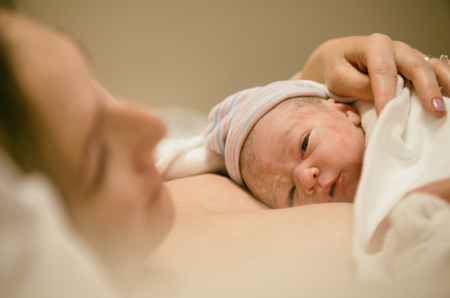
Deciding on postpartum sterilization is a permanent contraception choice that prevents future pregnancies. But how does sterilization differ after a natural birth compared to after a C-section?
Postpartum Sterilization After Natural Birth
For mothers who deliver naturally, doctors administer local anesthesia at the surgical site before performing a minor procedure to cut or tie the fallopian tubes. Pain is minimal since the anesthesia is effective, and many mothers report feeling less discomfort than the postpartum uterine contractions themselves.
Postpartum Sterilization After C-Section
For mothers who undergo a C-section, sterilization can be performed simultaneously during the surgery. The doctor performs a small additional procedure to tie or cut the fallopian tubes. There is no added pain because the mother is already under general anesthesia.
In short, the choice of postpartum sterilization largely depends on the method of delivery. Natural birth sterilization can be done immediately after delivery since hormonal conditions help facilitate the procedure, with small incisions and quicker recovery. C-section sterilization is done concurrently with the surgery, avoiding an additional operation, though recovery may take slightly longer.
Does Sterilization Hurt?
Female sterilization involves cutting or blocking the fallopian tubes to prevent eggs from meeting sperm, effectively preventing pregnancy. Many worry about pain, but the procedure is not painful due to appropriate anesthesia or sedation.
Recovery: How Many Days Does the Pain Last?
Even though sterilization is a minor procedure, it does leave a small incision that requires healing. Postoperative pain, often a dull ache around the surgical site, may radiate to the lower abdomen or back. Typically, discomfort gradually decreases within 7 days, though healing times vary depending on the sterilization method, individual health, and wound care.
Possible Side Effects After Female Sterilization
After the procedure, patients may experience nausea or fatigue from anesthesia, mild abdominal pain, or discomfort in the lower abdomen due to nearby organs being affected (uterus, bladder, intestines). These symptoms usually resolve within 7 days. Rarely, mild lower abdominal pain may result from adhesions near the tied fallopian tubes. Overall, modern medical technology ensures sterilization is safe, making it a popular and reliable method of permanent contraception.

Complications from Sterilization
Even though sterilization is generally safe, there are potential risks and complications:
-
Infection: Surgical wounds can become infected, causing pain, swelling, redness, and pus.
-
Bleeding: Minor bleeding is normal after surgery, but excessive bleeding may require additional treatment.
-
Injury to nearby organs: Occasionally, nearby organs such as the bladder or intestines may be affected.
-
Urinary tract obstruction: Injury to the ureters during surgery can lead to blockage.
-
Chronic pain: Some patients may experience ongoing pain around the surgical site.
-
Ectopic pregnancy: Rarely, a partial reconnection of the fallopian tube may result in an ectopic pregnancy.
-
Emotional impact: The decision to undergo sterilization may affect mood, causing feelings of regret or disappointment.
Postoperative Care After Sterilization
Proper self-care after sterilization is crucial for fast healing and reducing the risk of complications. While doctors provide detailed instructions, the following guidelines can help:
-
Get enough rest: Avoid heavy work or strenuous activities during the initial recovery period.
-
Eat nutritious food: Focus on protein-rich foods (meat, eggs, milk) to promote wound healing, along with fruits and vegetables to support immunity.
-
Stay hydrated: Drinking sufficient water helps the body eliminate waste effectively.
-
Avoid lifting heavy objects: Lifting may strain the incision and delay healing.
-
Keep the wound clean: Follow your doctor’s instructions for wound care and watch for signs of infection, such as redness, swelling, pus, or fever.
-
Abstain from sexual activity: Typically, doctors recommend avoiding intercourse for 6–8 weeks to allow complete healing.
-
Take medications as prescribed: Follow instructions for pain relief, antibiotics, or fever-reducing medications.
-
Follow up with your doctor: Regular check-ups help monitor healing and detect any issues early.
If you experience severe abdominal pain, persistent pain despite medication, or unusual discharge or bleeding from the incision, seek medical attention immediately.

Factors to Consider Before Deciding on Female Sterilization
Female sterilization is a major decision with long-term implications. Before proceeding, you should carefully consider the following factors:
- Certainty About Future Children: Make sure both partners have thoroughly considered that they do not want more children. Sterilization is permanent, reversing it is difficult, costly, and not always successful.
- Overall Health: Provide your doctor with a detailed medical history, especially if you have chronic conditions such as heart disease, lung disease, high blood pressure, or diabetes. Sterilization may require local or general anesthesia, which can impact those with underlying health issues.
- Emotional Impact: The decision to undergo sterilization can affect emotional and mental well-being. Consult your doctor or a mental health professional if you have concerns.
- Alternative Contraception Methods: Consider temporary birth control options before choosing permanent sterilization, such as oral contraceptives, intrauterine devices (IUDs), or condoms.
- Cost: Sterilization can be expensive, and reversing it later incurs additional costs.
Making the decision to undergo postpartum sterilization is significant. Consulting with your doctor and understanding all aspects of the procedure will help you make a confident choice. Sterilization is a safe and effective method of birth control, but it’s essential to prepare both physically and emotionally, follow your doctor’s instructions closely, and adhere to proper postoperative care to ensure smooth recovery and minimize the risk of complications.
Originally published on theAsianparent Thailand


 Money Tips
 Building a BakuNation
 Becoming a Parent
 Ages & Stages
 Parenting
 Health & Wellness
 Education
 Lifestyle Section
 Become a VIP
 Press Room
 Shopping
 Rewards
