The rainy season brings cooler weather, but it also increases the risk of colds and other illnesses in children. Sudden changes in temperature and damp conditions can weaken their immune systems, making them more vulnerable. So how to prevent cold and protect your little ones from getting sick during this time? Here are some practical tips to help keep your child healthy and sniffle-free, no matter how unpredictable the weather gets.
Rainy then chilly — how to prevent cold in children during the rainy season?
These days, it’s raining one moment and chilly the next—how can we protect our children from catching a cold during the rainy season? Many moms have told doctors they’re worried about their children getting sick. Some families have already come down with colds, which inspired this article. Let’s take a look at how to stay healthy and avoid the common cold during rainy days.
Let’s begin by understanding what causes colds and how rain is related, before diving into ways to prevent them.
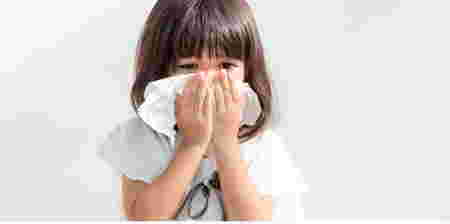
Image from Canva
What causes the common cold? Why do we catch colds?
Medically, a common cold is characterized by symptoms like fever, runny nose, and coughing, and is caused by a viral or bacterial infection. This is different from allergy-related symptoms (like allergic rhinitis), which don’t usually involve a fever and only show up when exposed to allergens like dust mites—often at night, early morning, or in cold weather. Infections, on the other hand, can cause symptoms at any time of day.
How is the common cold related to rain?
Firstly, it’s important to clarify that colds are caused by respiratory infections, not directly from getting caught in the rain. For a person to catch a cold, they must be exposed to a sufficient amount of the virus. Some people may come into contact with the virus but won’t get sick if they have strong immunity.
So, colds aren’t caused directly by rain, but rainy weather brings lower temperatures and damp conditions that help viruses thrive. These conditions also weaken the body’s immune defenses, especially in the respiratory system, making it harder to fight off infections. Cold weather also increases mucus production and can trigger more coughing. Therefore, rain and cold are indirect factors that make it easier to catch a cold.
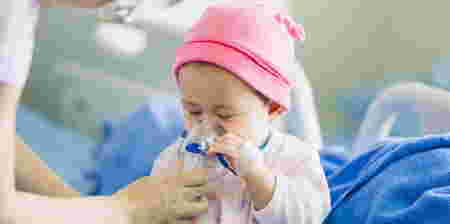
Image from Canva
What are the principles on how to prevent cold?
Now that we know the main factors behind colds—pathogens, exposure, and immunity—and that rain is an environmental factor, here are the three key principles for preventing colds:
- Reduce the risk of exposure to viruses and bacteria.
- Maintain good health and strengthen the immune system.
- Keep the body warm during cold, rainy weather.
How to stay healthy and avoid colds during the rainy season
With these three principles in mind, let’s explore practical tips to help prevent colds when it rains:
Reduce exposure to germs
Parents should teach their children not to come into close contact with people who are sick or sleep near someone who is ill. They should also avoid sharing personal items with others, especially those who are sick. When eating with others, it’s important to use serving spoons and to know how to properly wash their hands—especially before meals and after using the bathroom. It’s best to avoid crowded places or, if going out, to wear a face mask.
Maintain good health to strengthen the immune system

Eat a well-balanced diet with all 5 food groups, focusing on a variety of vegetables—whether fresh, blanched, boiled, or stir-fried—and fruits high in vitamin C such as oranges, guava, grapes, and pineapple. These help strengthen the immune system. Encourage kids to be physically active, stay warm, get enough sleep, and drink at least 8 glasses of water per day.
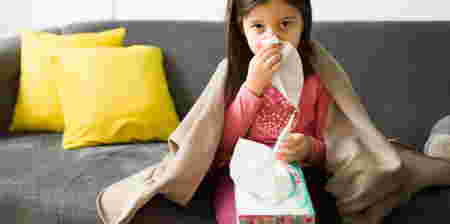
Image from Canva
When it rains and the weather is cold, keeping the body warm is essential
Dress your child in warm, thick clothing. If going outdoors in cold weather, wear a jacket or coat, and a hat if needed. When it’s raining, use an umbrella or a raincoat. If it’s necessary to be in the rain—or if your child wants to play in the rain—you may allow it briefly, provided they are healthy and strong. However, don’t let them stay in the rain too long, as exposure to cold and dampness can reduce the body’s ability to fight germs, especially since viruses thrive in cold, rainy weather.
If your child gets wet in the rain or is exposed to rain droplets, dry them off immediately, change their clothes, and help warm their body. Once home, give them something warm to drink. Avoid letting them bathe or wash their hair with very cold water, especially during chilly weather.
Originally published on theAsianParent Thailand


 Money Tips
 Building a BakuNation
 Becoming a Parent
 Ages & Stages
 Parenting
 Health & Wellness
 Education
 Lifestyle Section
 Become a VIP
 Press Room
 TAP Recommends
 Shopping
 Community
 Rewards
 VIP Parents
