The moment your baby opens their eyes to the world is an important and exciting milestone for every mother. Whether giving birth naturally or via C-section, a mother’s body needs time to recover afterward. One common question is about lochia—for mothers who have had a C-section, when does lochia stop, will it go away on its own, and how should it be managed? Are there any dangerous conditions related to lochia? This article provides the answers.
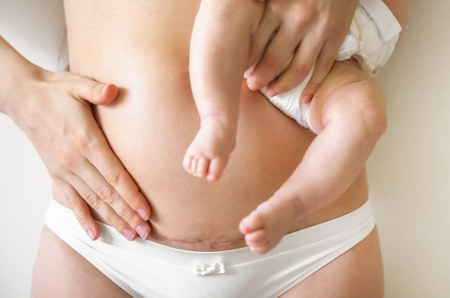
What is Lochia After Birth?
After giving birth, a mother’s body releases a vaginal discharge, whether the birth was natural or via C-section. This discharge is called lochia. It occurs as the uterus contracts to return to its pre-pregnancy size, and the lining of the uterus where the placenta was attached gradually sheds. This is a normal, natural process in which the body slowly expels this tissue, and it often resembles menstrual flow.
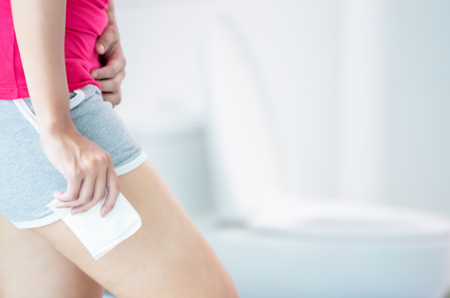
C-Section: When Does Lochia Stop and the 3 Stages of Postpartum Discharge
Lochia is a mixture of blood and mucus that contains red blood cells, white blood cells, mucus, and uterine lining that has been shed. In the first few days after delivery, lochia may appear quite heavy because, during pregnancy, a mother’s blood volume increases by up to 50% to prepare for childbirth. Generally, lochia can be divided into three stages:
Stage 1 (Lochia Rubra)
- Occurs during the first 1–5 days after birth (some mothers may start noticing it around day 3).
- Appearance: dark red, similar to blood clots, containing blood, mucus, and small placental fragments.
Stage 2 (Lochia Serosa)
- Around days 4–10 postpartum.
- Appearance: gradually lightens to pink or brown, then becomes yellowish and more watery.
- Composition: diluted blood, mucus, white blood cells, and lymph fluid.
Stage 3 (Lochia Alba)
- After the yellowish discharge of stage 2, lochia may continue up to about 6 weeks postpartum.
- Appearance: creamy, yellowish-white, or white.
- Composition: fewer red blood cells, but more white blood cells, mucus, and vaginal lining cells.
- The amount gradually decreases until it stops completely.
C-Section: When Does Lochia Stop and How It Differs from Natural Birth
Both mothers who deliver naturally and those who have a C-section will experience lochia—there’s no exception. However, there are slight differences. Within the first 24 hours after birth, mothers who give birth naturally may have more lochia than those who undergo a C-section. For natural birth, lochia typically stops within 2 weeks.
For C-section mothers, based on the stages and characteristics of lochia described earlier, it usually resolves within 4–6 weeks, although in most cases it begins to decrease or dry up by weeks 2–3.
Certain factors can temporarily increase lochia flow, such as in the morning after waking, during light exercise, or while having a bowel movement. Additionally, breastfeeding can stimulate increased lochia discharge because the body releases oxytocin, which helps the uterus contract and supports postpartum recovery.
How to Take Care of Yourself After a C-Section During Lochia
After a C-section, mothers experiencing lochia may be at higher risk of infection. Careful attention to hygiene and monitoring your body’s signals is especially important during this period. Here are some key tips:
- Keep the genital area clean and dry to prevent bacterial growth.
- Change sanitary pads regularly to avoid moisture buildup that can harbor bacteria.
- Avoid soaking in bathtubs or swimming, as the cervix is still open and water may enter the uterus, increasing the risk of infection.
- Abstain from sexual intercourse for at least 3 months postpartum.
- Wear comfortable clothing, especially loose-fitting pants, to reduce moisture accumulation in the intimate area.
- Avoid heavy lifting and strenuous work to support recovery.
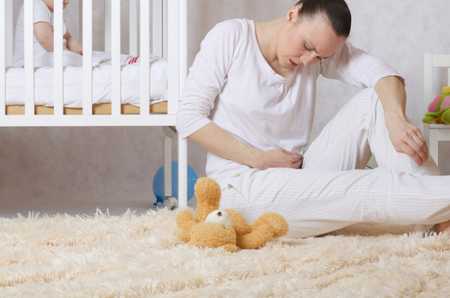
Abnormal Lochia and When to See a Doctor
Lochia after a C-section should generally stop within 6 weeks. If lochia persists beyond 6 weeks—especially if it remains red—it could indicate inflammation or retained placental tissue, and you should consult your doctor. Other signs that require medical attention include:
- Bright red lochia lasting more than 4 days after birth, with no improvement despite rest.
- Foul-smelling lochia accompanied by severe uterine pain, possibly with fever, indicating infection.
- Excessive bleeding, requiring a pad change nearly every hour, bright red color, or presence of blood clots, which could result from postpartum hemorrhage due to various causes such as medication, retained placental fragments, uterine infection, or blood clotting disorders.
- Return of bright red lochia after it had started to fade 2–3 days earlier.
- Heavy lochia accompanied by dizziness, fatigue, nausea, or rapid heartbeat.
Additionally, if you have fever, discharge or bleeding from the C-section incision, increasing pain, redness, or pus, seek medical attention immediately.
Originally published on theAsianparent Thailand


 Money Tips
 Building a BakuNation
 Becoming a Parent
 Ages & Stages
 Parenting
 Health & Wellness
 Education
 Lifestyle Section
 Become a VIP
 Press Room
 TAP Recommends
 Community
 Rewards
