Introduction
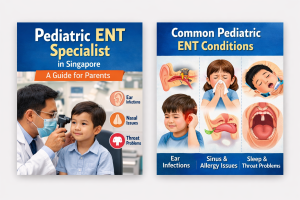
Ear, nose, and throat (ENT) conditions are among the most frequently encountered health issues in childhood, ranging from recurrent ear infections to chronic nasal congestion and sleep-related breathing disorders. While many of these conditions are self-limiting, others can persist and interfere with speech development, learning, and overall quality of life. In Singapore’s highly developed healthcare system, parents are often faced with decisions about whether and when to seek specialist care. This guide examines the role of pediatric ENT specialists, common childhood ENT conditions, and the practical considerations involved in navigating care options locally.
Understanding Pediatric ENT Care
Pediatric ENT specialists are trained to manage ear, nose, and throat conditions specifically in infants, children, and adolescents. While general ENT practitioners are qualified to treat patients of all ages, pediatric specialists bring additional expertise in developmental anatomy, age-specific disease progression, and child-centred communication.
In practice, children’s ENT conditions can present differently than in adults. For example, Eustachian tube dysfunction is more common in younger children due to anatomical differences, increasing the risk of middle ear infections (Rosenfeld et al., 2016). Treatment decisions must therefore account not only for symptom resolution but also for long-term developmental outcomes.
Common ENT Conditions Affecting Children
Ear Conditions
Middle ear infections (otitis media) are among the leading reasons for pediatric medical visits worldwide. Studies estimate that the majority of children experience at least one episode before school age (WHO, 2020). While many cases resolve without complication, recurrent infections or persistent fluid buildup can contribute to temporary hearing loss, which may affect speech and language development if left unaddressed (American Academy of Pediatrics, 2019).
Nose and Sinus Conditions
Allergic rhinitis and chronic nasal congestion are increasingly common, particularly in urban environments. In Singapore, high allergen exposure and air quality factors have been associated with rising rates of childhood allergies (MOH Singapore, 2022). Chronic sinus inflammation can affect sleep quality and daytime concentration, though diagnosis in children can be challenging due to overlapping symptoms with common viral illnesses.
Throat and Airway Conditions
Enlarged tonsils and adenoids are a frequent concern in pediatric ENT practice. In some cases, they contribute to sleep-disordered breathing or obstructive sleep apnea, conditions linked to behavioural issues and impaired academic performance (Marcus et al., 2012). However, not all cases require surgical intervention, and careful assessment is essential.
When Specialist Care Becomes Necessary
Not every ENT symptom warrants specialist referral. Isolated infections or short-term congestion are often managed effectively in primary care. However, referral is generally considered when symptoms are recurrent, persistent, or associated with developmental concerns such as delayed speech or disrupted sleep.
In Singapore, referrals may originate from polyclinics, general practitioners, or school health screenings. One operational challenge within the public system is balancing timely access with resource constraints, which can result in longer waiting times for non-urgent cases. Conversely, private care offers faster access but at higher out-of-pocket costs.
Diagnostic and Treatment Approaches
Diagnostic Tools
Pediatric ENT assessment typically relies on non-invasive tools such as hearing tests, tympanometry, and flexible nasal endoscopy. Imaging is used selectively, as radiation exposure is a consideration in young patients. In many cases, clinicians must adapt diagnostic techniques to account for limited cooperation or anxiety in younger children.
Treatment Options
Treatment strategies range from watchful waiting and medical therapy to surgical procedures such as grommet insertion or tonsillectomy. While surgery can be effective for carefully selected cases, it is not without risks and does not guarantee permanent resolution. For example, ear infections may still recur after grommet placement, though often with reduced severity (NICE, 2023).
Navigating Pediatric ENT Care in Singapore
Singapore’s healthcare system offers multiple pathways for pediatric ENT care, broadly divided between public hospitals and private specialist clinics. Each option presents different considerations in terms of access, continuity of care, and cost.
Public hospitals provide subsidised pediatric ENT services through structured referral pathways, typically beginning at polyclinics or general practitioners. While these settings offer comprehensive care supported by multidisciplinary teams, waiting times for non-urgent conditions can be a practical limitation for families managing recurring symptoms.
Private pediatric ENT clinics, on the other hand, often provide shorter waiting times and greater continuity with a single specialist overseeing diagnosis, treatment, and follow-up. In practice, many parents choose private care when conditions such as recurrent ear infections, chronic nasal obstruction, or sleep-related breathing concerns require closer monitoring over time.
In Singapore, pediatric ENT services are delivered by specialists with varying clinical focuses. For example, practices such as Dr Dennis’ ENT Specialist Clinic are commonly consulted for general pediatric ENT conditions, including ear infections, hearing concerns, and nasal issues. Similarly, Dr Gan Eng Cern, an ENT specialist whose clinical work includes sinus and nasal conditions in both adults and children, is often involved when chronic or recurrent nasal symptoms require more targeted evaluation.
From a practical standpoint, parents are advised to look beyond clinic branding and consider factors such as:
- Specialist accreditation under the Singapore Medical Council
- Experience managing pediatric-specific ENT conditions
- Access to appropriate diagnostic tools for children
- Clear communication around treatment options and follow-up care
Insurance coverage and subsidy eligibility also vary between public and private settings. While MediShield Life may cover selected surgical procedures, outpatient consultations and diagnostics in private clinics often involve out-of-pocket expenses, making upfront cost discussions an important part of care planning.
Supporting Long-Term ENT Health in Children
Preventive measures play an important role in reducing recurrent ENT issues. These include managing environmental allergens, encouraging good nasal hygiene, and addressing risk factors such as second-hand smoke exposure. Equally important is parental observation; subtle changes in hearing, sleep patterns, or behaviour may signal underlying ENT concerns.
Conclusion
Pediatric ENT conditions are common, but their impact can vary widely depending on severity, duration, and timing of intervention. In Singapore, parents have access to a well-regulated healthcare system with multiple care pathways, each with its own trade-offs. Understanding when specialist care is appropriate, what treatment options entail, and how to support long-term ENT health allows families to make informed decisions grounded in both medical evidence and practical realities.
References
- American Academy of Pediatrics. (2019). Otitis Media Clinical Practice Guidelines.
- Marcus, C. L., et al. (2012). Diagnosis and management of childhood obstructive sleep apnea syndrome. Pediatrics.
- Ministry of Health Singapore. (2022). Child Health and Chronic Disease Statistics.
- National Institute for Health and Care Excellence (NICE). (2023). Otitis Media and Tonsillectomy Guidelines.
- Rosenfeld, R. M., et al. (2016). Clinical practice guideline: Otitis media with effusion. Otolaryngology–Head and Neck Surgery.
- World Health Organization. (2020). Childhood Hearing Loss and Ear Disease.
May katanungan tungkol sa pagpapalaki ng anak? Basahin ang mga artikulo o magtanong sa kapwa magulang sa aming app. I-download ang theAsianparent Community sa iOS o Android!


 Money Tips
 Building a BakuNation
 Para Sa Magulang
 Anak
Anak Pagpapalaki ng anak
 Kalusugan
 Edukasyon
 Lifestyle
 VIP Community
 Pandemya ng COVID-19
 Press Releases
 Community
 Rewards
