The rainy season is beginning, and some rainy season fruits are already ripe for us to enjoy. Which rainy season fruits are suitable and beneficial for pregnant women? What are the benefits? Today, we’ve gathered the information for you. Let’s explore together!
Rainy season fruits for pregnant women that are beneficial to eat
The reason we need to eat fruits during pregnancy is that fruits contain essential nutrients for our bodies. These nutrients are also passed on to the baby in the womb, helping them grow well. Most fruits are rich in vitamin C and folate, which help build collagen and tissues, and strengthen the baby’s immune system. Moreover, eating fruits helps regulate the mother’s blood sugar levels and increases hydration. The following rainy season fruits are delicious, beneficial for both mother and baby, and easy to find:
-
Ripe Mango
Mangoes are easy to find almost all year round and are good for pregnant women because they contain high amounts of vitamin C. Just a few pieces can provide the daily recommended amount of vitamin C. Mangoes also contain a high amount of vitamin A, which helps reduce the risk of babies being born with weak immunity or complications such as respiratory infections or diarrhea.
-
Ripe Banana
Bananas are high in potassium and also contain vitamin B6, vitamin C, and fiber. They are highly recommended for pregnant women because they help reduce constipation during pregnancy and alleviate nausea and morning sickness.
-
Red Grapes
Red grapes typically ripen around September, but some places may have them earlier. Red grapes provide many nutrients including vitamin C, vitamin K, folate, and fiber. These nutrients help balance the body during pregnancy. Additionally, red grapes contain antioxidants such as flavonoids, tannins, linalool, anthocyanins, and geraniol, which help build immunity and protect against infections.
-
Sapodilla (Lamoot)
If a pregnant woman often experiences morning sickness, eating sapodilla may help. It contains electrolytes, vitamin A, and carbohydrates that reduce dizziness and nausea. It also soothes stomach discomfort effectively
-
Custard Apple (Noy Na)
If you’re looking for rainy season fruits rich in vitamin A and vitamin C, custard apples are a great choice. The vitamins in this fruit help nourish the baby’s eyes, hair, and tissues, and also contribute to better cognitive development.
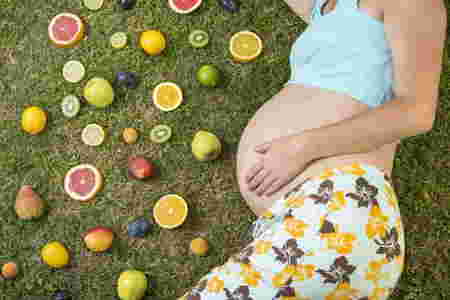
How pregnant women should eat fruit in moderation
Although the fruits recommended above provide many benefits to both the mother and baby, eating too much is never good. Experts recommend that pregnant women should eat 2-4 pieces of fruit about the size of a fist (or 2-4 coffee cups) per day. If drinking fruit juice, it should be pasteurized only, because drinking unsterilized juice may cause infections that could harm the baby.
Fruits pregnant women should avoid
Although many fruits provide benefits and nutrients, during pregnancy a woman’s body undergoes many changes, and her hormones are unstable. Therefore, pregnant women should avoid the following fruits to prevent harm to themselves and the baby:
- Papaya: A favorite fruit for many mothers. If you like eating papaya salad, you may need to hold back during pregnancy because the latex in papaya can cause uterine contractions and premature labor.
- Pineapple: Contains bromelain, which may soften the cervix and cause premature labor.
- Dates: Dates may stimulate the uterine muscles and increase body heat, which can be dangerous for the baby.
- Black grapes: Pregnant women should avoid black grapes during the first trimester because black grapes may cause increased body heat similar to dates.
Recommendations for Eating Fruit
To get the most benefits from eating fruit, pregnant women should follow these recommendations:
- Eat vegetables alongside fruit to get a variety of complete nutrients.
- If you want to eat dried fruit, consume it in moderation and always remember that dried fruit contains more sugar than fresh fruit because of the flavoring process during production.
- Always wash fruit thoroughly before eating to remove any dirt or contaminants.
- If the fruit has dark spots or insect bites, remove those parts and do not eat them.
- Keep fruit separate from raw meat; do not place them close together or store them together.
- Try to buy fruit from sources likely free from pesticide use.
- Drink plenty of water—at least 8-12 glasses a day—along with eating fruit to prevent dehydration, which can be harmful during pregnancy.
- To make fruit more delicious, eat it with yogurt, cereal, cake, or pair it with salad.
- Eat fruit as a snack instead of sweets or sugary snacks.
- Dried fruit can be enjoyed with pancakes or waffles to enhance flavor.
However, each day, pregnant women should eat fruit and all foods in appropriate amounts and moderation, no matter how beneficial the food is. Overeating can harm the body and endanger the baby in the womb. To help the baby be born healthy and strong, be mindful of your diet, get enough sleep, and maintain light regular exercise.
Originally published on theAsianparent Thailand


 Money Tips
 Building a BakuNation
 Becoming a Parent
 Ages & Stages
 Parenting
 Health & Wellness
 Education
 Lifestyle Section
 Become a VIP
 Press Room
 TAP Recommends
 Shopping
 Rewards
 VIP Parents
