As a new parent, one of the biggest challenges you’ll face is balancing your baby’s sleep with their comfort, especially when it comes to nighttime diaper changes. It’s a delicate dance: should you wake your baby for a wet diaper, or let them sleep through it?
Understanding when to change diapers at night can make the difference between restful nights and constant disruptions.
Let’s break down the best practices, signs to watch for, and expert tips to help you and your baby get better sleep while staying clean and comfortable.
Do You Need to Change Diapers at Night?

When to Change Diapers at Night: A Sleep-Saving Guide for Parents
The short answer: it depends. Not all nighttime diaper changes are necessary, and your approach may vary based on your baby’s age, diaper type, and sleeping habits.
- Newborns (0–3 months): Newborns typically need frequent changes, even overnight. They poop more often and their skin is more sensitive to moisture.
- Older babies (3+ months): If your baby sleeps through the night and only wets the diaper without signs of discomfort, you may not need to change them until morning.
Signs You Should Change the Diaper
Here are some clear indicators that a nighttime diaper change is necessary:
- Strong odor or noticeable poop
- Leaking through pajamas or bedding
- Baby is restless or crying in their sleep
- Diaper feels overly full or heavy
In any of these cases, it’s best to change the diaper promptly to avoid rashes and discomfort.
Tips for Changing Diapers Without Fully Waking Your Baby
Waking a sleeping baby can derail a night of peaceful rest. If you must change a diaper overnight, use these tips to keep things quiet and calm:
- Use a nightlight instead of turning on bright lights
- Warm your hands and wipes to avoid startling your baby
- Change diapers before nighttime feeds so baby can go back to sleep easily
- Keep everything within reach to make the process swift and quiet
Best Diapers for Overnight Use
Using the right diaper can reduce the need for nighttime changes. Look for diapers labeled:
- “Overnight” or “12-hour protection”
- Extra absorbent for longer wear
- Leak guard or snug fit technology
Cloth diapering families can use extra inserts or overnight boosters.
How to Prevent Diaper Rash at Night
Leaving a wet diaper on for too long can cause irritation. Here’s how to prevent that:
- Apply barrier cream before bedtime
- Use breathable, hypoallergenic diapers
- Change promptly if your baby poops, even if they’re asleep
When Not to Change the Diaper
You may choose to skip a nighttime diaper change if:
- The diaper is only mildly wet
- Your baby is sleeping soundly
- You’re using a high-quality overnight diaper
- There are no signs of discomfort or leakage
FAQs
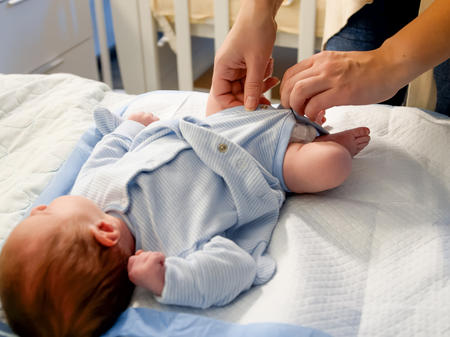
When to Change Diapers at Night: A Sleep-Saving Guide for Parents
1. Should I wake my baby to change a wet diaper?
Not always. If there’s no poop, no leak, and your baby is sleeping peacefully, it’s safe to wait until morning.
2. What if my baby poops at night but doesn’t wake up?
Change them gently to avoid rashes and skin irritation.
3. Can I use diaper cream every night?
Yes, applying a thin layer of barrier cream before bed helps prevent rashes.
4. What type of diaper is best for overnight?
Choose ultra-absorbent, overnight diapers with leak guards for the best results.
5. How can I change diapers quietly at night?
Use dim lighting, prep your supplies beforehand, and keep movements gentle and calm.
Trust Your Instincts and Routine
There’s no one-size-fits-all rule for nighttime diaper changes, but understanding your baby’s needs and having the right products on hand can make your nights smoother. If you’re ever unsure, trust your instincts: a clean, comfortable baby is a happy (and usually better-sleeping) baby.
With time and experience, you’ll find a routine that keeps your little one dry and helps you catch a few more precious hours of sleep too.
May katanungan tungkol sa pagpapalaki ng anak? Basahin ang mga artikulo o magtanong sa kapwa magulang sa aming app. I-download ang theAsianparent Community sa iOS o Android!


 Money Tips
 Building a BakuNation
 Para Sa Magulang
 Anak
Anak Pagpapalaki ng anak
 Kalusugan
 Edukasyon
 Lifestyle
 VIP Community
 Pandemya ng COVID-19
 Press Releases
 TAP Picks
 Community
 Rewards
