The uterus for pregnancy is a vital organ. So for couples planning to get pregnant, preparing the body before conception is an important step toward ensuring the health of both the mother and the future baby. In particular, taking care of and nourishing the uterus for conception helps prepare it for pregnancy and better support embryo implantation. One of the simplest ways to do this is by choosing the right food to eat to get pregnant.
Let’s take a look at the best foods to nourish the uterus before pregnancy, helping build a strong foundation for those hoping to conceive. What types of foods are essential? Which dishes should be reduced or avoided to help ensure a healthy, pregnancy-ready uterus?

Why Is Eating Uterus-Nourishing Foods Before Pregnancy Important?
In truth, preparing for pregnancy involves many factors that new moms-to-be should pay attention to—beyond just eating well. Regular exercise and adequate rest are also key. However, when it comes to strengthening the uterus—an essential organ for carrying a baby—choosing the right foods can make a significant difference. It’s like feeding vitamins directly to your ovaries and uterus. Here’s why uterus-nourishing foods before pregnancy matter:
- They help improve your chances of conceiving by strengthening the uterus and ovaries, supporting optimal reproductive health.
- A strong uterus increases the likelihood of successful embryo implantation, which boosts your chances of getting pregnant.
- Eating foods that nourish the uterus and ovaries can reduce the risk of miscarriage and premature birth, and increase the likelihood of conception for those struggling with fertility.
That said, if you’re planning to get pregnant, it’s best to consult a doctor or nutritionist for personalized advice on which uterus-nourishing foods suit your body and lifestyle best.
|
|---|
Which nutrients help nourish the uterus?
|
| Folic acid |
- An essential nutrient for enhancing uterine health
- Supports the development of the baby’s nervous system
- Reduces the risk of fetal developmental abnormalities
- Aids in the formation of new cells in the body
|
| Vitamin E |
- It is an antioxidant that helps nourish the uterus and prevents problems such as uterine inflammation or uterine infections.
|
| Iron |
- It is an important nutrient for blood production and strengthening the uterus.
- It helps prevent anemia and the risk of unhealthy pregnancies.
|
| Omega-3 fatty acids |
- It helps enhance the function of the reproductive system and increases blood circulation to the uterus, allowing the uterus to receive the necessary nutrients to prepare for pregnancy.
|
| Vitamin C |
- It helps strengthen the immune system and stimulates collagen production.
- It also contributes to making the uterine lining strong and flexible.
|
| Zinc |
- It is a mineral that helps promote cell growth and the reproductive system, preparing the uterus for pregnancy.
|
15 Foods to Nourish the Uterus Before Pregnancy
1. Brown Rice and Oats
These foods are high in fiber, which aids digestion and promotes a healthy digestive system. They provide carbohydrates that supply ample energy, an important nutrient during pregnancy to support fetal development. They also contain vitamins and minerals such as iron and vitamin B, which help the growth and development of the baby. Additionally, they assist in weight management during pregnancy.
2. Food to eat to get pregnant: Eggs
Eggs help nourish the uterus and ovaries, preparing them for pregnancy. They are rich in protein, vitamin B1, B2, calcium, and iron. Eggs also support brain health and reduce the risk of cardiovascular diseases. Eating eggs in appropriate amounts can help regulate cholesterol levels. For women planning pregnancy, it is recommended to eat eggs daily, especially duck eggs, one per day.
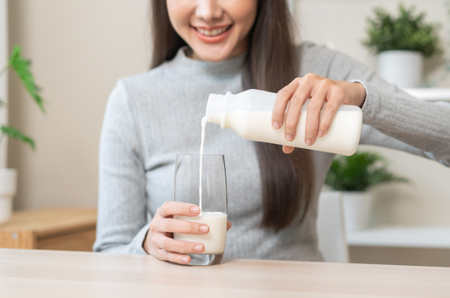
3. Fresh Milk
High in protein and calcium, fresh milk helps stimulate ovulation and strengthens the uterus. It is especially suitable for women who have ovulation problems or are underweight.
4. Food to eat to get pregnant: Salmon
A significant source of protein, especially omega-3 fatty acids, zinc, iron, and vitamin B12. Salmon helps balance hormones and supports the digestive system.
5. Oysters
If your family is experiencing infertility issues and looking for foods to nourish the uterus before pregnancy, eating oysters before ovulation is recommended. They are rich in zinc, which stimulates the production of high-quality eggs.
6. Pumpkin Seeds
Rich in zinc, pumpkin seeds help reduce the risk of miscarriage during pregnancy. They also contain omega-3 fatty acids and iron. The iron from plant sources is absorbed better by the body than iron from animal sources.
7. Food to eat to get pregnant: Beans
Great for women who want to nourish the uterus. Beans such as soybeans, red beans, lima beans, winged beans, and yardlong beans are high in protein and iron. They help produce high-quality eggs, increase the chances of pregnancy, and reduce the risk of uterine fibroids.
8. Black Sesame Seeds
Eating black sesame seeds regularly—at least 3-4 teaspoons a day—helps alleviate insomnia, relax the brain, and strengthen calcium in the body. Getting enough restful sleep supports normal hormone function. Black sesame seeds are another food that nourishes eggs and the uterus, preparing the body for conception. Eating them during pregnancy also benefits the fetus.
9. Food to eat to get pregnant: Soy Milk
Drinking soy milk regularly, which is high in protein, helps increase the chances of pregnancy. Soy milk also nourishes during pregnancy by providing protein to the fetus, reducing the risk of cow’s milk allergy, and helping strengthen the mother’s muscles.
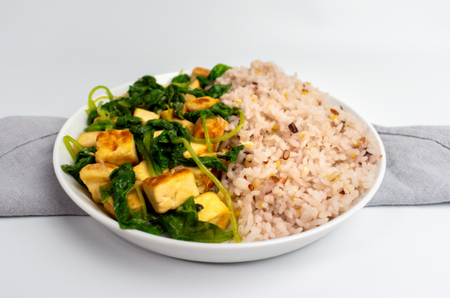
10. Spinach
Spinach is a leafy green vegetable high in folate (also known as folic acid), which helps prevent abnormal pregnancies and stimulates the body to conceive more easily. Regular consumption of spinach and other leafy greens also ensures adequate dietary fiber, promoting smooth digestion.
11. Asparagus
A food that nourishes the uterus before pregnancy, asparagus contains niacin and vitamin B3, which are good for blood circulation, strengthen bones, and help reduce cholesterol levels in the blood.
12. Food to eat to get pregnant: Berries
Rich in antioxidants, especially vitamin C, berries help the body’s cells repair themselves from various diseases and also nourish and enhance fertility in women. Various types of berries are therefore very beneficial foods to nourish the uterus before pregnancy.
13. Avocado
A fruit rich in healthy fats that helps balance the mother’s hormones and prevents infertility.
14. Food to eat to get pregnant: Tomatoes
Contain lycopene, which acts as an antioxidant, inhibits the production of melanin pigments in the body, helping reduce dark spots and providing hydrated, healthy skin.
15. Bananas
High in energy and rich in potassium, vitamin B6, minerals, glucose, and fiber that aid digestion. Bananas also help regulate the nervous system and muscles. They are a food that can be eaten anytime and help keep you full for a long time.

|
|---|
Foods to Avoid Before Pregnancy
|
| Foods high in sugar |
Such as sweets, biscuits, cakes, and soda, which may affect blood pressure levels and the baby’s weight later on. |
| High-fat foods |
Especially saturated fats, which can lead to high cholesterol buildup, such as fried foods, fast food, hot pot, and grilled pork barbecue. |
| Processed foods |
Foods that have been cured, fermented, salted, smoked, or dried—such as sausages, bacon, bologna, Vietnamese pork sausage (moo yor), and fermented pork (naem)—may be high in sodium, contain preservatives, or be contaminated with Listeria bacteria. |
| All types of alcoholic beverages |
Liquor, beer, wine, soju, and punch may reduce the chances of pregnancy and negatively affect the development of the baby in the womb. |
Eating foods that nourish the uterus before pregnancy doesn’t have to be limited to just the 15 foods we mentioned. It’s important to eat a variety of foods covering all five food groups, fresh and complete, while avoiding foods with chemical residues. Also, drink plenty of water and exercise regularly to improve overall health and prepare your body for pregnancy.
Additionally, in some cases where a mother-to-be cannot get all the necessary nutrients from a regular diet, taking supplements such as folic acid or vitamins that support uterine health may be considered. However, always consult a doctor or specialist before starting any supplements.

How to take care of yourself to be ready before pregnancy
Eating the right foods helps nourish the uterus and ovaries to prepare for pregnancy, but it should be combined with good daily habits and lifestyle. This will increase the chances of pregnancy and benefit the health of both the mother and the baby as follows:
Quit smoking
Stop smoking from the planning stage through pregnancy and breastfeeding because it can cause fallopian tube blockage, reduce chances of pregnancy, increase the risk of ectopic pregnancy, damage the embryo during implantation in the uterine wall, and cause developmental problems for the baby.
Stop contraceptive methods
Such as birth control pills, condoms, intrauterine devices (IUDs), and wait at least 3 months after stopping contraception before trying to conceive to reduce the risk of miscarriage.
Have intercourse every 2–3 days
Sexual activity should occur at least every 2–3 days. Mothers should avoid stress or excessive pressure as it can affect relationships, reduce sexual drive, harm overall health, and make conception more difficult.
Exercise regularly
Exercise is one way to strengthen the uterus, such as swimming, yoga, aerobics, and pelvic floor exercises by contracting and holding for about 5 seconds, then relaxing for 5 seconds, repeated continuously, which is very helpful.
Massage to strengthen the uterus
This massage improves blood circulation to the uterus, fallopian tubes, and ovaries, increasing oxygen in the bloodstream. It strengthens uterine muscles, supports the embryo after fertilization, improves fallopian tube movement to increase the chance of egg and sperm meeting, helps the uterus expel menstrual blood well, reduces menstrual pain, and removes toxins or waste from the uterine cavity.
Regular health check-ups
Internal examinations and annual health check-ups are recommended because some diseases may not show symptoms early but can become severe and hard to treat later. Checks should include:
- Cervical cancer risk screening
- Testing for sexually transmitted infections such as gonorrhea, chlamydia, herpes, vaginal parasites, or HPV
- Screening for vaginal infections like fungal or bacterial infections
- Diagnosing uterine abnormalities such as abnormal uterine bleeding, abnormal discharge, uterine fibroids, ovarian cysts, or uterine prolapse
- Assessing suitability for contraceptive devices like IUD insertion
- Evaluation at the start of pregnancy to assess readiness, identify risks, and prevent related diseases

In addition to what has been mentioned above, mental health is also an important factor for pregnancy. Excessive stress accumulation can cause hormonal imbalances in the mother’s body, affecting the reproductive system, including uterine function and irregular menstruation. Therefore, try to find relaxing activities to reduce stress, such as meditation or listening to music, and get enough sleep—at least 7-8 hours—to help the body produce hormones in balance. This allows the uterus and ovaries to function efficiently, which positively impacts future pregnancy.
Originally published on theAsianparent Thailand


 Money Tips
 Building a BakuNation
 Becoming a Parent
 Ages & Stages
 Parenting
 Health & Wellness
 Education
 Lifestyle Section
 Become a VIP
 TAP Recommends
 Shopping
 Community
 Rewards
